
Baking Soda vs Baking Powder: What’s the Difference?

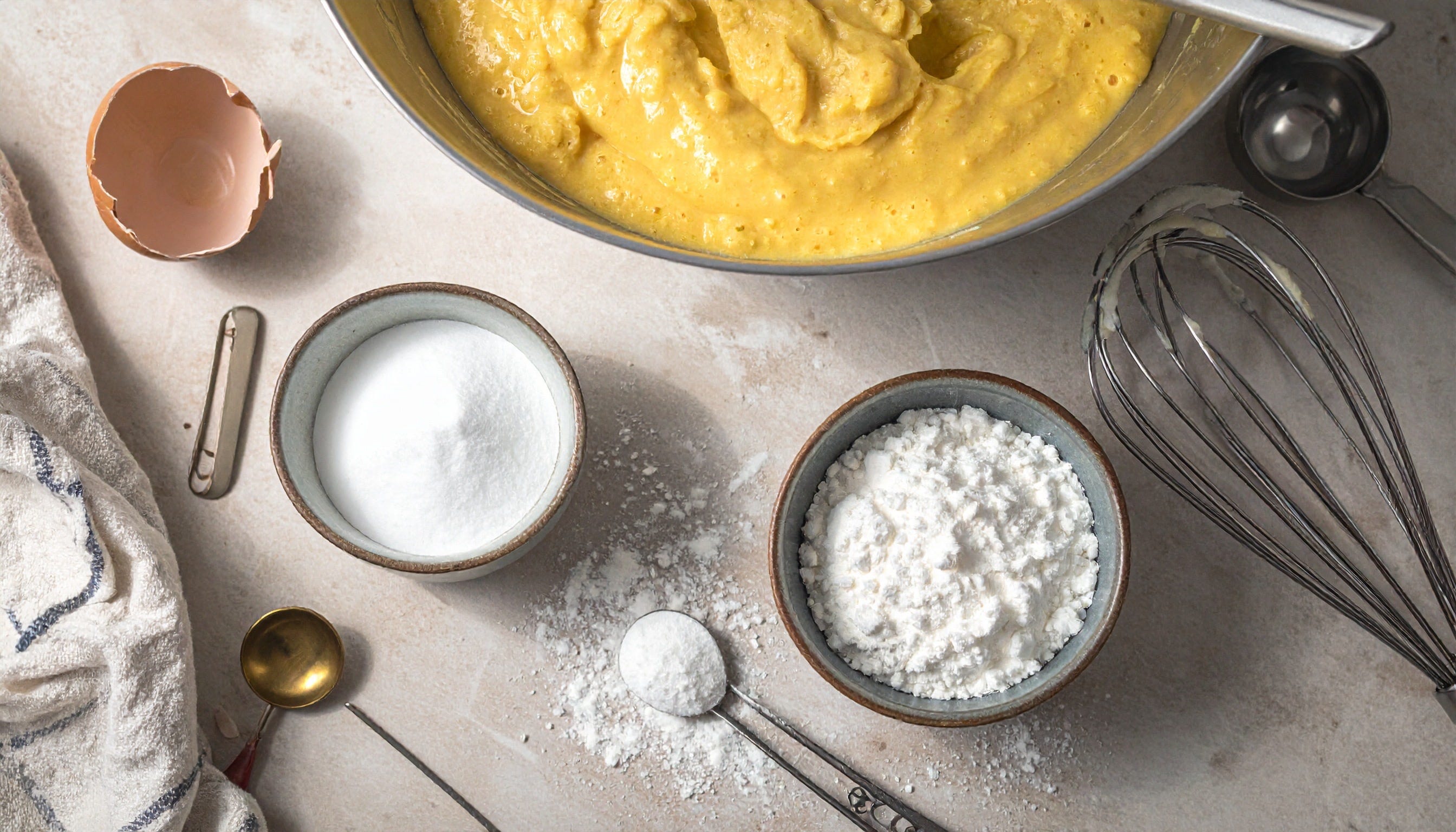
A lot of baking questions begin the same way: you are halfway through a recipe, flour is already in the bowl, and now you are standing in front of the pantry holding two nearly identical containers and wondering whether this is a minor detail or the exact moment dessert falls apart.
It is a fair question. Baking soda and baking powder sound similar, look similar, and live side by side in the cupboard, but they are not interchangeable in the way many people hope they are. They both help baked goods rise, but they do it differently, and those differences matter more than you might think.
The good news is that this is much easier to understand than it sounds. Once you know what each one does, baking starts to feel less mysterious and a lot more manageable.
First, what do they actually do?
Both baking soda and baking powder are leavening agents. That simply means they help baked goods lift, puff, and develop a better texture. Without them, cakes can turn dense, muffins can feel heavy, and pancakes can land with all the charm of a damp sponge.
Their job is to create carbon dioxide bubbles in batter or dough. Those bubbles expand in the heat of the oven or on the griddle, which gives baked goods their rise.
So yes, they are on the same team. They just play different positions.
What is baking soda?
Baking soda is pure sodium bicarbonate. It is strong, quick to react, and a little bossy in the way highly effective ingredients often are.
In order to work, baking soda needs acid. Once it meets an acidic ingredient, it reacts and starts producing carbon dioxide. That reaction creates the lift that helps a baked good rise.
Common acidic ingredients include:
buttermilk
yogurt
sour cream
lemon juice
vinegar
molasses
brown sugar
applesauce
natural cocoa powder
Because baking soda is powerful, recipes usually call for a fairly small amount.
What is baking powder?
Baking powder is a more complete leavening mixture. It contains baking soda, but it also includes an acid and a stabilizer, usually cornstarch.
That means baking powder already has most of what it needs to do its job. It does not depend as heavily on the other ingredients in the recipe to create lift.
Most baking powder sold for home kitchens is double-acting, which means it works in two stages:
once when it is mixed with liquid
again when it hits the heat of the oven
That second boost is part of what makes baking powder so helpful in cakes, muffins, pancakes, biscuits, and quick breads.
So what is the real difference?
Here is the simplest version:
Baking soda needs acid.
Baking powder already contains acid.
That is the heart of it.
Baking soda is stronger and more reactive. Baking powder is gentler and more self-contained. Both can help a recipe rise, but they are used in different ways depending on the ingredients and the final texture the recipe wants.
Why recipes use one or the other
Recipes are not choosing at random. The leavener is there because it suits the ingredients around it.
A recipe uses baking soda when:
there is enough acid already in the batter or dough
the baker wants stronger browning
the texture needs a little more spread or chew
A recipe uses baking powder when:
there is not much acid in the recipe
a softer, lighter rise is needed
the batter benefits from a more gradual lift
A recipe uses both when:
it has acidic ingredients, but not enough for soda alone
it wants the browning power of baking soda plus the extra lift from baking powder
the texture needs balance
This is why pancakes, muffins, and quick breads often call for both. They are not being dramatic. They are being precise.
What happens if you use the wrong one?
This is where the difference really shows up.
If you use baking soda instead of baking powder
Your baked goods might:
rise less than they should
taste bitter or soapy
brown too quickly
turn out uneven in texture
That happens because baking soda is much stronger, and if there is not enough acid in the recipe to balance it, the result can taste off very quickly.
If you use baking powder instead of baking soda
Your baked goods might:
rise differently than expected
spread less
taste flatter
lose a little color or tenderness
Baking powder is milder, so it cannot always replace the stronger reaction baking soda provides.
Can you substitute one for the other?
Not neatly.
There are emergency workarounds, but they are rarely perfect. Recipes are built around a certain chemical balance, and changing the leavener affects more than rise. It can change flavor, texture, spread, and browning too.
You may hear this substitution:
use 3 teaspoons baking powder for every 1 teaspoon baking soda
That can help with lift, but it does not solve the acid issue. So while the recipe may still bake, it may not bake well.
If you can, it is always better to use what the recipe actually calls for.
Why baking soda is so common in cookies
Baking soda does more than help cookies rise. It also raises the pH of the dough, which encourages browning and deeper flavor.
That is why cookies made with baking soda often come out:
darker
chewier
more richly flavored
a little more spread out
If you have ever had a chocolate chip cookie with beautifully golden edges and a soft center, baking soda probably had a hand in that.
Why baking powder shines in cakes and muffins
Baking powder is especially useful when a recipe needs a reliable, airy rise without depending on strong acidic ingredients.
It works beautifully in:
cakes
muffins
cupcakes
biscuits
pancakes
waffles
Because it reacts in stages, it gives baked goods a nice upward push both when mixed and again in the oven. That is part of what makes it feel so dependable.
Why pancakes sometimes use both
Pancakes are a perfect example of teamwork in baking.
A pancake batter made with buttermilk has enough acid to activate baking soda, which helps with tenderness and browning. But it may still need extra lift, especially if you want a fluffier stack.
So the recipe adds baking powder too.
In that case:
baking soda reacts with the acid
baking powder adds extra rise
That combination often gives pancakes their best texture.
How to test if your baking soda or baking powder is still good
Leaveners do not stay fresh forever. If a recipe that normally works suddenly falls flat, old baking soda or baking powder might be the culprit.
To test baking soda:
Put a little in a bowl and add vinegar or lemon juice.
If it bubbles right away, it is still active.
To test baking powder:
Put a little in a bowl and add warm water.
If it bubbles quickly, it is still working.
If there is barely any reaction, it is time for a fresh container.
Does baking powder expire?
Yes, and so does baking soda, at least in a practical baking sense.
Even before the printed date, exposure to humidity, air, and heat can make them weaker. They may still look perfectly fine, but they stop delivering the rise your recipe needs.
Fresh leaveners make a surprisingly big difference in:
muffins
biscuits
cakes
pancakes
quick breads
Tiny ingredients. Big consequences.
Why too much baking soda tastes terrible
Baking soda is powerful, which is very helpful right up until it is not.
Too much can leave behind:
bitterness
a metallic edge
a soapy aftertaste
And unfortunately, it does not take a huge measuring mistake for that to happen. This is one of those ingredients where accuracy really matters.
Why too much baking powder is not ideal either
Baking powder is more forgiving, but more is not always better.
Too much can cause:
a strange chemical flavor
too much rise at first, followed by collapse
a dry or coarse texture
So even though it is gentler than baking soda, it still deserves a careful hand.
Which one is stronger?
Baking soda, easily.
That is why recipes use it in smaller amounts. It reacts quickly and powerfully when acid is present.
Baking powder is less concentrated because it contains additional ingredients and is meant to be more balanced and easier to use on its own.
The easiest way to remember it
If you want one quick memory trick, use this:
Soda needs acid. Powder is prepared.
That one line covers most of what matters.
Real-life baking examples
A little context always helps, so here is how this looks in familiar recipes.
Chocolate chip cookies
Often use baking soda for browning, flavor, and chew.
Buttermilk pancakes
Often use both for tenderness and lift.
Vanilla cake
Often leans on baking powder because the batter may not have enough acid for baking soda alone.
Banana bread
May use baking soda, baking powder, or both, depending on the ingredients.
Biscuits
Often use baking powder for a reliable rise and a tender crumb.
What if a recipe calls for both and you only have one?
Honestly, the best answer is usually to wait.
That may not be exciting, but it saves ingredients, disappointment, and the strange little heartbreak of pulling a bake from the oven that never had a fair chance. If a recipe is written with both, there is usually a reason.
A better backup is to find a recipe specifically designed for the leavener you do have.
Should you keep both in your pantry?
Yes, absolutely.
If you bake with any regularity, having both on hand makes life easier. They do not take up much space, but they solve a lot of problems and help your recipes turn out the way they were meant to.
That means:
better rise
better texture
better flavor
fewer mid-recipe substitutions
less guessing
And less guessing is always a lovely thing in baking.
Final thoughts
Baking soda and baking powder may sit shoulder to shoulder in the pantry, but they are not doing the same job. One needs acid to activate. The other brings its own. One is stronger and more reactive. The other is steadier and more self-sufficient.
Once you understand that, recipes start to feel much easier to read. Cookies make more sense. Pancakes make more sense. Cakes, muffins, biscuits, banana bread — all of it begins to feel less like chemistry class and more like a kitchen you actually know your way around.
And that kind of confidence is worth a lot more than one measuring spoon might suggest.