
Best Apples for Apple Crisp, Pie, and Baking

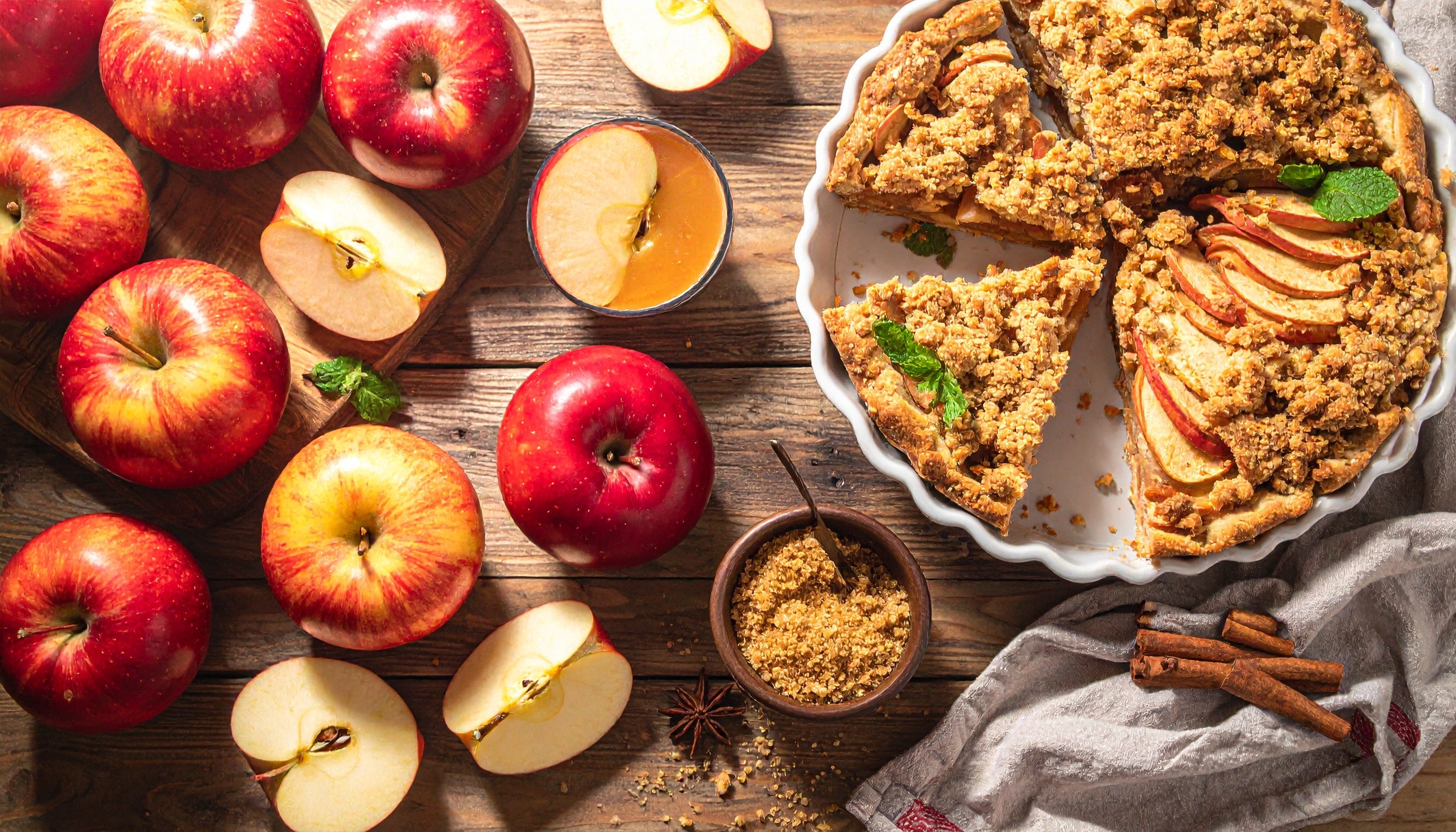
Apple season brings a kind of energy that makes baking feel irresistible. A bowl of fruit on the counter, a cool afternoon, and the promise of a warm dessert in the oven can shift the mood of an entire kitchen.
Choosing the right apples matters more than many people realize. The variety you use affects texture, sweetness, tartness, and how well the fruit holds up once the heat gets to work. A good baking apple keeps its shape, carries flavor beautifully, and gives your crisp, pie, or cake the kind of filling that feels rich and full instead of watery or flat.
This guide will help you figure out which apples are best for apple crisp, pie, and everyday baking, so you can head into fall recipes with a little more confidence and a lot less guesswork.
What makes an apple good for baking?
A good baking apple usually has three important qualities:
1. It holds its shape
You want slices that soften in the oven without turning into applesauce. A little tenderness is lovely. Total collapse is not.
2. It has balanced flavor
A great baking apple usually brings a mix of sweetness and acidity. That contrast helps desserts taste lively instead of one-note.
3. It has enough structure
Firm apples tend to bake better than very soft or mealy ones. They stand up to heat and give the finished dessert better texture.
The best apples for apple crisp
Apple crisp is forgiving, which is part of its charm. You want apples that become tender under the crumble topping but still keep enough shape to give the filling texture.
Honeycrisp
Honeycrisp apples are a favorite for a reason. They are sweet, crisp, juicy, and bright. In a crisp, they soften nicely while still holding together better than many other sweet apples.
Best for:
apple crisp
apple crumble
baked apple desserts with a softer filling
Granny Smith
Granny Smith apples bring tartness and structure. They bake beautifully and help keep a crisp from tasting overly sweet.
Best for:
apple crisp with a bright, tart flavor
mixed-apple crisps
recipes with rich toppings or caramel notes
Braeburn
Braeburn apples have a balanced sweet-tart flavor and hold up well in the oven. They are a wonderful choice when you want depth without too much sharpness.
Best for:
apple crisp
apple cakes
mixed fruit baking
Pink Lady
Pink Lady apples stay firm, carry a lovely sweet-tart flavor, and bake very well. They are especially good if you like your fruit desserts to taste bright and polished.
Best for:
crisp
galettes
tarts
fruit-forward baking
The best apples for pie
Pie usually asks a little more from an apple than crisp does. The slices need to keep their shape, avoid turning mushy, and deliver enough flavor to stand up to sugar, spice, and crust.
Granny Smith
This is the classic pie apple for good reason. Granny Smith stays firm and tart, which helps balance the sweetness in the filling.
Why it works:
keeps its shape
does not become mushy easily
gives the filling a fresh, bright flavor
Honeycrisp
Honeycrisp can also make a beautiful pie, especially when paired with a tarter apple. On its own, it creates a sweeter pie. Mixed with Granny Smith or Braeburn, it becomes especially lovely.
Why it works:
crisp texture
sweet flavor with enough brightness
excellent in combination with other apples
Braeburn
Braeburn is one of the best all-around baking apples. It gives pie filling real personality and does not lose itself in the oven.
Why it works:
balanced flavor
good structure
dependable texture after baking
Jonagold
Jonagold apples are sweet, lightly tart, and full of flavor. They can be a wonderful pie choice, particularly if you like a fuller, rounder apple taste.
Why it works:
rich apple flavor
softens well without disappearing
good balance in pies and tarts
The best apples for cakes, muffins, and quick breads
Baked goods like cakes, muffins, and loaf breads usually benefit from apples that soften a little more easily while still bringing flavor and moisture.
Honeycrisp
Wonderful in apple cakes and muffins because it bakes down gently and carries sweetness beautifully.
Braeburn
Excellent in cakes where you want texture and flavor without too much moisture.
Fuji
Fuji apples are sweeter and less tart, but they can work very well in cakes, muffins, and breads where softness is welcome.
Gala
Gala apples are softer and sweeter, which makes them less ideal for pie but perfectly pleasant in cakes, muffins, and breakfast bakes.
Apples that are especially good for mixing
One of the best ways to build a better apple dessert is to combine two varieties instead of relying on only one. A mix of apples gives you more dimension in both flavor and texture.
Great combinations include:
Granny Smith + Honeycrisp for tartness and sweetness
Braeburn + Honeycrisp for balance and structure
Pink Lady + Granny Smith for a bright, lively filling
Jonagold + Granny Smith for a fuller flavor with good texture
This works especially well in pie, where complexity makes a real difference.
Apples that are less ideal for baking
Not every apple is meant for the oven.
Red Delicious
Red Delicious tends to be softer, mealier, and less vibrant in flavor. It is usually not the best choice for pie or crisp.
McIntosh
McIntosh has lovely flavor, but it breaks down quickly. That can be useful if you want a softer apple sauce-style filling, though it is less ideal for slices that need to stay distinct.
Golden Delicious
Golden Delicious can work in baking, though it is softer than the strongest pie apples. It is more reliable in cakes, crisps, or mixed with firmer apples.
Best apples for apple crisp, quickly summarized
If you want the short version:
Top choices for apple crisp
Honeycrisp
Granny Smith
Braeburn
Pink Lady
Top choices for apple pie
Granny Smith
Honeycrisp
Braeburn
Jonagold
Top choices for cakes and muffins
Honeycrisp
Braeburn
Fuji
Gala
Should you peel apples for baking?
That depends on the recipe and the texture you want.
For pie and crisp, peeling is usually the best choice because it gives the filling a softer, more classic texture.
For cakes, muffins, and rustic bakes, leaving the peel on can work if the apple skin is thin and you like a little extra texture.
If you are after a more polished dessert, peel them. If you want a more casual, homey bake, you can be a little more flexible.
How thick should you slice apples?
This matters more than people think.
For pie and crisp, slices that are too thin can disappear into the filling. Slices that are too thick may stay firmer than you want.
A good guideline is:
about 1/4 inch thick for pies
slightly thinner for crisps
small chunks or thin pieces for cakes and muffins
Try to keep the slices even so everything bakes at the same rate.
Do sweeter apples need less sugar?
Usually, yes.
If you are using a sweet apple like Fuji or Gala, you may want to reduce the sugar a bit, especially in crisp or pie fillings. A tarter apple like Granny Smith can handle more sweetness without losing balance.
This is one of the reasons mixed apples work so well. They naturally bring more harmony to the dessert.
What is the best apple for beginners?
If you are not sure where to start, choose Honeycrisp or Granny Smith.
Honeycrisp is easy to love, easy to use, and very reliable in many baked desserts.
Granny Smith is the classic choice when you want tartness and shape.
If you want the easiest possible answer:
use Honeycrisp for crisp and cakes
use Granny Smith or a Granny Smith mix for pie
A few easy rules to remember
If you are standing in the grocery store trying to decide, these little rules help:
firmer apples usually bake better
sweet-tart apples usually taste better in dessert
pie needs structure
crisp is more flexible
mixing apples is often better than using just one variety
Final thoughts
A good apple dessert starts before the oven ever turns on. It starts with choosing fruit that will give you tenderness, structure, and real flavor once the baking begins.
For crisp, reach for Honeycrisp, Granny Smith, Braeburn, or Pink Lady. For pie, lean into Granny Smith, Braeburn, Jonagold, or a thoughtful mix. For cakes and muffins, Honeycrisp, Fuji, and Gala can all work beautifully depending on the texture you want.
The nicest part is that none of this has to feel overly technical. A little knowledge goes a long way, and once you find the apples you love baking with most, fall desserts become even more joyful to make.