
How to build a diet around food you actually want to eat
The Healthy-ish Reset · Post 05 of 10

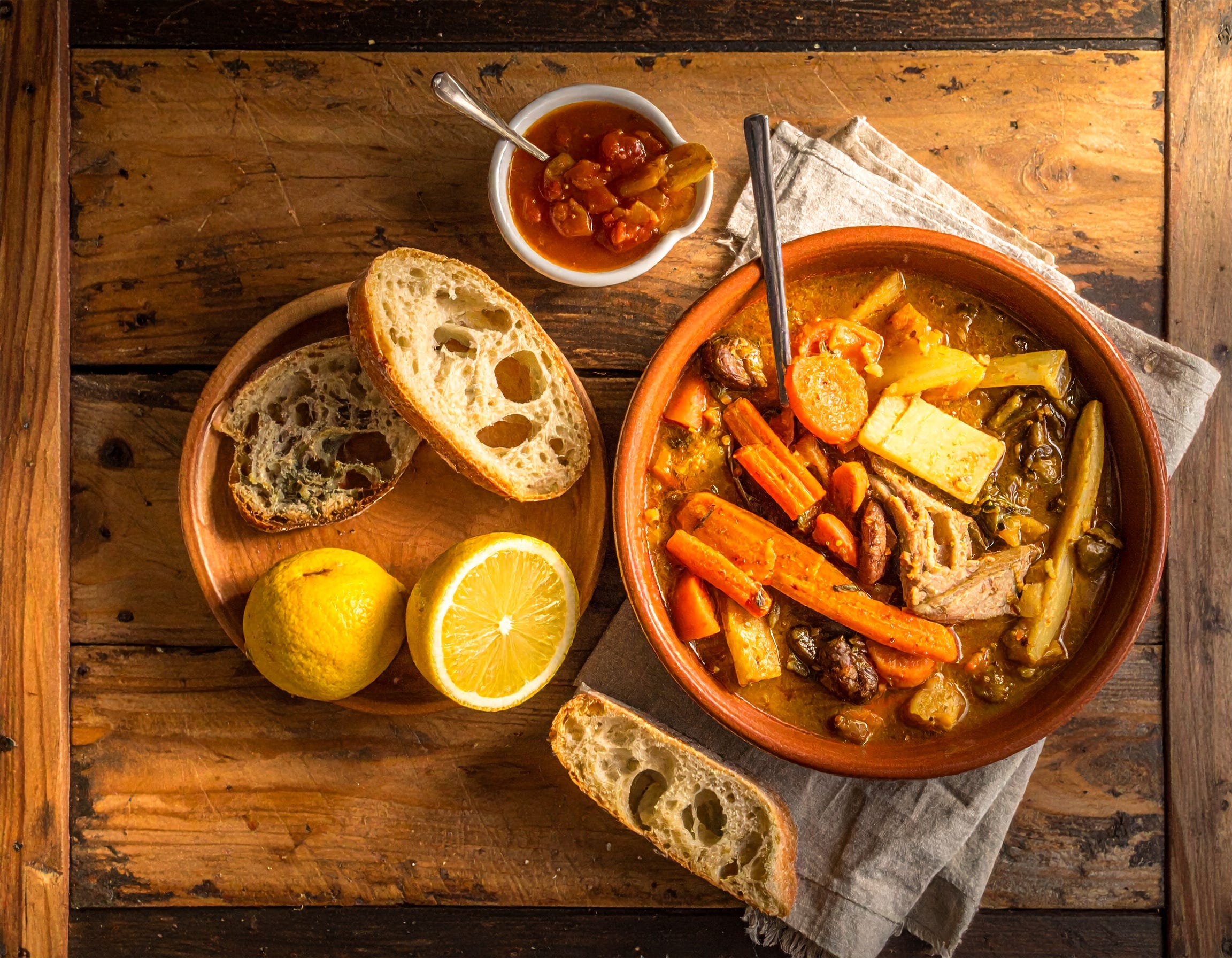
Every failed diet has something in common. Not the specific foods it banned. Not the rules it imposed. Not even the pace at which the person gave up. The common thread is simpler than any of those things.
The food was not food the person actually wanted to eat.
It was food they were supposed to want. Food that appeared on an approved list compiled by someone who had never sat at their table. Food that was nutritionally correct but experientially wrong — fine to eat once, bearable to eat twice, impossible to eat every day for the rest of a life.
Eating plans built on food you do not enjoy are not diets. They are countdowns. The only question is how long before they run out.
A note before we begin: The Healthy-ish Reset is a philosophical approach to building a healthier, more peaceful relationship with food. It is not medical or nutritional advice, and it is not a substitute for guidance from a registered dietitian or your doctor. If you have specific health concerns, a medical condition, or a complicated history with food and eating, please speak with a qualified professional who can support you personally. What you will find here is a way of thinking — not a prescription.
The preference problem
The wellness industry has a complicated relationship with pleasure. On one hand, it sells eating plans on the promise that they will make you feel better — more energy, clearer skin, better sleep. On the other hand, those same plans are often built around a narrow palette of approved foods that have more to do with current nutritional trends than with what people actually want to eat.
The result is a version of healthy eating that is defined mostly by absence. No refined sugar. No white flour. No processed anything. No this, no that. What is left — the permitted foods — is presented as sufficient, even desirable. And for some people, some of the time, it is. For most people, most of the time, it is not. And when the gap between what they are supposed to eat and what they actually want to eat becomes too wide, they stop. Every time.
The alternative is not a free pass to eat whatever is most convenient. The alternative is building your eating around food that is both nourishing and genuinely appealing — food you would choose even if no one was watching, even if there were no rules, even if the diet started over on Monday. That food exists for everyone. Finding it is the work.
What a repertoire is and why it matters
The most useful concept in sustainable eating is not a meal plan. It is a repertoire.
A meal plan tells you what to eat each day. It is useful for the week it was written for and steadily less useful after that, because life does not stay the shape it was when the plan was made. A repertoire is different. It is a personal collection of meals — ten, fifteen, twenty — that you know how to make, that you genuinely enjoy, and that nourish you. Meals that are already yours, already tested, already part of how you cook and eat.
Most people already have a partial repertoire. There are meals they make on rotation without thinking about it — a pasta dish, a stir-fry, a soup they return to. The problem is often that the repertoire is narrower than it needs to be, or that it leans heavily toward convenience food rather than whole food, or that it does not feel healthy enough for someone who is trying to eat better — even when it mostly is.
Building a better repertoire means two things. First, identifying the whole food meals that are already in your rotation and claiming them fully — not as exceptions to your healthy eating, but as the backbone of it. Second, adding a small number of new meals that are genuinely nourishing and that you discover you actually enjoy. Not twenty new meals. Not a curriculum. Two or three, added slowly, until they become as automatic as everything else.
How to find the food you actually want
This requires honesty about preferences that diet culture has spent years teaching people to be suspicious of.
Start with what you already enjoy eating. Not the healthy version of it — the actual thing. The cuisine you grew up with. The dishes that comfort you. The flavors and textures you return to without being told to. This is not indulgence. This is data. It tells you where the overlap between enjoyment and nourishment is most likely to be found — and that overlap is larger than most eating plans suggest.
A person who loves Indian food has access to an enormous repertoire of genuinely nourishing dishes — dals, legume-based curries, vegetable preparations, yogurt-based sides — that require no compromise between what they enjoy and what serves them well. A person who loves Italian food has pasta with vegetables and legumes, simple fish dishes, bean soups, and roasted everything. A person who loves Japanese food has miso, grilled fish, rice bowls, pickled vegetables, and broths that are both deeply satisfying and nutritionally solid.
The meals that are nourishing and the meals that are enjoyable are not two separate lists. They overlap more than the wellness industry wants you to believe — because the wellness industry profits from the gap between them.
The two questions worth asking about any meal
When you are thinking about whether a meal belongs in your repertoire, two questions are worth asking — in this order.
Do I actually want to eat this? Not would I eat it if I were trying to be good. Not would I eat it if I were on a diet. Would I choose this meal, on an ordinary evening, if there were no rules attached to it? If the answer is genuinely yes, it belongs in your repertoire regardless of how it measures up nutritionally. Meals you want to eat are meals you will cook. Meals you will cook are the only ones that matter.
What is it doing for me? This is the question from Post 03 — asked second, not first. Once you have a meal you actually want to eat, it is worth understanding what it is giving you and whether there is anything simple you could add to make it do more. A pasta dish that is mostly carbohydrates gets more nourishing with the addition of a protein and some vegetables — protein increases satiety and fiber from vegetables slows digestion, two things that make a meal do more without changing what it fundamentally is. The question is not a test the meal has to pass. It is an opportunity to make something good even better.
These two questions, asked in this order, produce a different result than the standard approach of starting with nutritional requirements and then trying to make them palatable. They start from where the enjoyment is and build from there.
What building looks like in practice
A useful repertoire for most people is somewhere between ten and twenty meals. Enough variety that eating does not feel repetitive. Small enough that it is genuinely learnable — that every meal on the list is something you can make without consulting a recipe.
Building it does not require finding twenty new meals. It requires looking honestly at what you already cook, keeping what works, and adding slowly.
Take the audit from Post 04. Look at the meals in the keep category — the ones that are already nourishing and that you enjoy. Those are already part of your repertoire. They just need to be claimed and cooked more consistently.
Then look at the reduce and replace categories. For each one, ask whether there is a meal you genuinely enjoy that could take its place — not as a compromise, but as a preference. If the weeknight takeout is pizza, is there a homemade version you would enjoy making once a week? If the default lunch is something from a packet, is there a whole food lunch you would actually look forward to? If the answer is not immediately obvious, that is fine. The repertoire builds over time, not all at once.
Add one new meal per month. Cook it twice in the first two weeks — once to learn it, once to confirm whether you actually like it. If you do, it joins the list. If you do not, move on. There is no obligation to eat food you do not enjoy, even if it appears on someone else’s list of healthy meals.
The patience part
Building a repertoire takes longer than starting a diet. A diet can begin on Monday. A repertoire takes months — and that is the point. Months of cooking meals you enjoy, refining what works, gradually shifting the proportion of whole food in what you eat, discovering that some things you thought you would not like are actually worth making regularly.
This is not a slow path to the same destination. It is a different destination entirely. Not a diet that ends. A way of eating that does not.
Post 06 builds the environment around this repertoire. Because knowing what you want to cook is only half of it. The other half is having a kitchen that makes it easy — a pantry stocked in a way that makes the nourishing choice the convenient one. That is what Post 06 is about.
Post 06 arrives next week: The pantry reset — stocking a kitchen that makes eating well the easy choice.
The Healthy-ish Reset is a ten-part series — free for all Joyvela readers. All ten posts are available in the archive at joyvela.io.