
How to Make Better Scrambled Eggs at Home

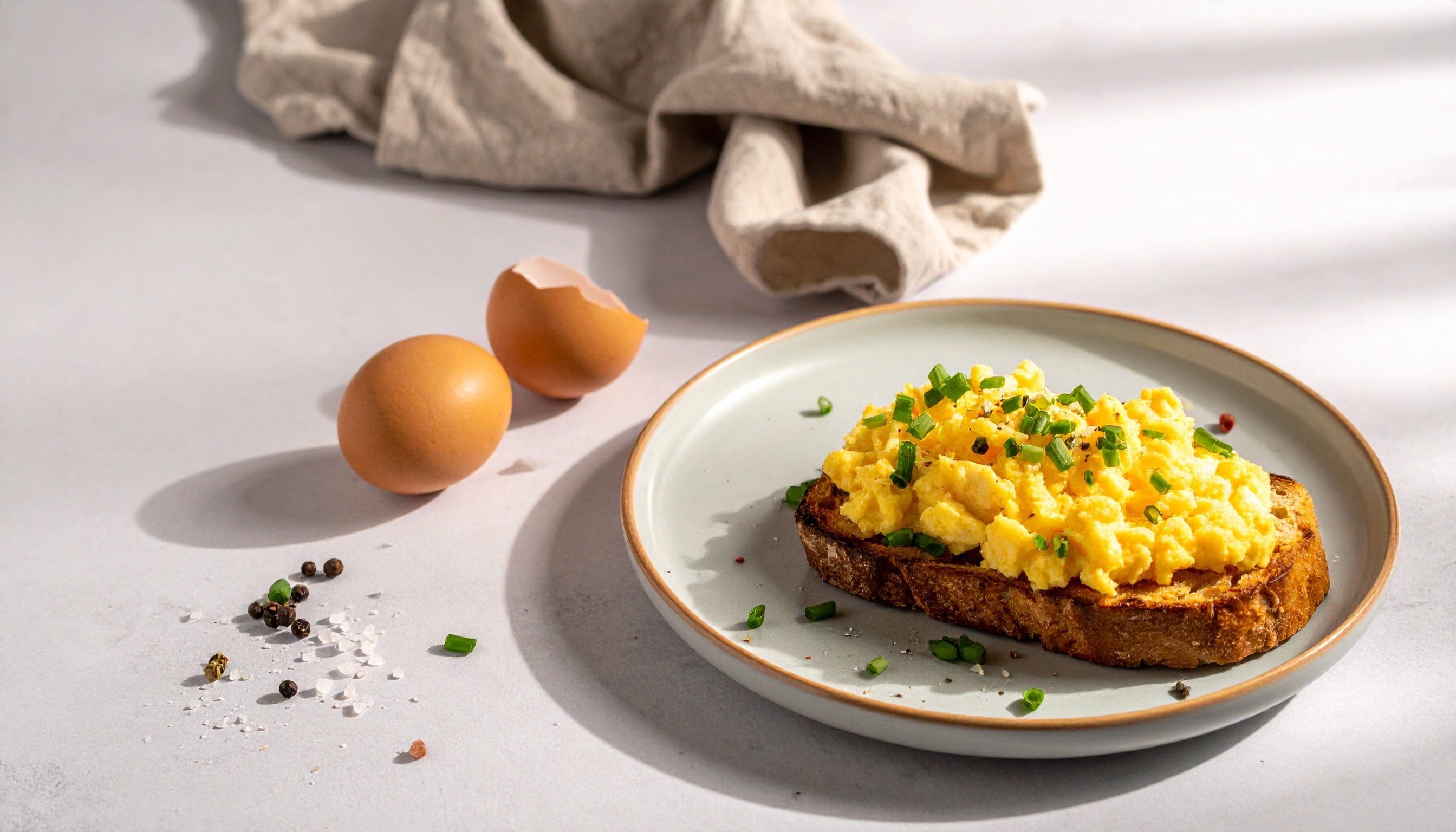
Scrambled eggs are one of the easiest breakfasts to make, but they are also one of the easiest to get wrong. A hot pan, a distracted minute, or a little impatience can take them from soft and creamy to dry and forgettable before you even have the toast ready.
The good news is that better scrambled eggs do not ask for complicated ingredients or restaurant-level skill. They ask for gentler heat, a little attention, and a willingness to let breakfast move at a calmer pace. That is where the real difference begins.
When eggs are cooked slowly, they turn tender, glossy, and full of delicate richness. They feel comforting in the most reliable way. And once you get the method right, it becomes one of those kitchen habits that quietly improves your mornings again and again.
Why scrambled eggs so often disappoint
Most scrambled egg problems come down to heat and timing.
If the pan is too hot, the eggs seize quickly and turn rubbery. If they stay on the stove too long, they lose their softness and become dry. If they are stirred too aggressively, the curds can break up too much and lose that lovely, pillowy texture that makes scrambled eggs feel especially good.
In other words, the issue is rarely the eggs themselves. It is usually the method.
What better scrambled eggs should feel like
Great scrambled eggs should be:
soft, not stiff
creamy, not wet
tender, not rubbery
rich, not greasy
simple, but still satisfying
This is not about making them fancy. It is about making them pleasant enough that a very ordinary breakfast feels well cared for.
Start with the right ingredients
You do not need much here, which is part of the beauty.
A very basic version includes:
eggs
salt
pepper
butter
a splash of milk or cream, if you like
That is enough for a beautiful plate of eggs.
A note on milk or cream
This is optional. Plenty of people love scrambled eggs with no added dairy at all. Others like a small splash of milk or cream because it softens the texture and adds a little richness.
Either approach works. What matters more is the heat and the timing.
The best pan for scrambled eggs
A nonstick skillet is the easiest choice, especially if you want a smooth, low-stress result. It helps the eggs move gently across the pan and makes cleanup easier too.
A small or medium skillet usually works best for 2 to 4 eggs. If the pan is too large, the eggs spread too thin and cook too fast.
The real secret: lower heat
If there is one tip worth remembering, it is this: lower heat changes everything.
A lot of people cook scrambled eggs over medium-high heat because breakfast feels quick by nature. But better eggs usually come from low to medium-low heat, where the curds can form gradually and stay tender.
That slower pace gives you much more control. It also gives the eggs time to become soft and creamy instead of firm and dry.
How to make better scrambled eggs
Here is the simple method that makes the biggest difference.
1. Whisk the eggs well
Crack the eggs into a bowl and whisk until the yolks and whites are fully blended. If you are using milk or cream, add it here.
Whisking well creates a smoother mixture and helps the eggs cook more evenly.
2. Heat the pan gently
Set your skillet over low to medium-low heat and add butter. Let it melt slowly.
You do not want sizzling, browning, or aggressive bubbling. You want a calm pan.
3. Add the eggs and wait a moment
Pour in the eggs and let them sit briefly. This gives the first soft curds a chance to form.
4. Stir slowly
Use a spatula to push the eggs from the edges toward the center in broad, gentle sweeps. Keep moving them slowly rather than constantly whipping them around.
This is how you get soft curds instead of tiny broken bits.
5. Pull them off early
The eggs should come off the heat while they still look slightly glossy. Residual heat will finish the cooking.
This is one of the most important steps. If you wait until they look fully done in the pan, they often end up overcooked on the plate.
Common mistakes that ruin scrambled eggs
Cooking them too hot
This is the biggest one. High heat makes the eggs tough.
Leaving them in the pan too long
Eggs continue cooking after you remove them from the stove. Early removal helps keep them tender.
Overseasoning too late
A little salt early on helps the eggs taste better throughout, not just on the surface.
Stirring too much
Constant movement can make the eggs break down too finely. Gentle sweeps work better.
Using a pan that is too large
A very wide pan can make the eggs cook too fast and too thin.
Should you salt eggs before cooking?
There are strong opinions on this, but for everyday home cooking, salting before cooking works beautifully. It seasons the eggs more evenly and helps them taste fuller and more balanced.
You do not need much. A small pinch goes a long way.
Should you use butter or oil?
Butter is my favorite here because it gives the eggs a softer, richer flavor that suits them beautifully. Oil works too, especially if that is what you prefer, but butter makes the whole breakfast feel warmer and more classic.
Soft curds vs firm curds
This mostly comes down to preference, but soft curds are usually what people mean when they talk about really good scrambled eggs.
Soft curds feel:
creamier
more delicate
more luxurious
less dry
Firm curds feel:
more structured
more fully set
a little heartier
Neither is wrong, but if your goal is better scrambled eggs, softer curds are usually where the magic lives.
Easy additions that make scrambled eggs even better
Once you have the base right, there are easy ways to build on it.
Try adding:
chopped chives
parsley
a little grated cheese
black pepper
buttered toast on the side
sliced avocado
roasted tomatoes
sautéed spinach
Keep the additions simple. Scrambled eggs shine brightest when they still taste like eggs.
What to serve with scrambled eggs
Scrambled eggs are wonderfully flexible. They can be a full breakfast or just part of one.
They pair well with:
toast
breakfast potatoes
fruit
avocado
sautéed greens
yogurt
a simple salad for brunch
smoked salmon, if you want a more dressed-up plate
How to know when they are done
This gets easier with practice, but a good visual cue is this: the eggs should look softly set, with a little sheen still left on them.
They should not look runny, but they also should not look dry or chalky.
Think tender and softly finished, not fully tightened.
A simple scrambled egg formula
For 2 servings, this is an easy place to start:
4 eggs
1 tablespoon butter
2 tablespoons milk or cream, optional
salt and pepper to taste
That is enough for a breakfast that feels generous without requiring much effort.
Better scrambled eggs are really about attention
That is the heart of it. Scrambled eggs improve the moment you stop treating them like an afterthought.
A lower flame. A slower stir. Taking the pan off the heat a touch earlier than feels necessary. Those are small decisions, but they change the result completely.
And maybe that is part of why good scrambled eggs feel so comforting. They are simple, yes, but they reward care in a very immediate way.
Final thoughts
Better scrambled eggs at home are not about mastering a difficult recipe. They are about understanding a very small one more fully.
Once you lower the heat, stir more gently, and let the eggs finish with residual warmth instead of direct fire, the texture changes. Breakfast feels softer. The whole plate feels more satisfying. And a food that seemed almost too basic to think about starts to taste a lot more special.
That is a lovely return on a few extra minutes at the stove.