
How to Roast Vegetables So They Actually Taste Good

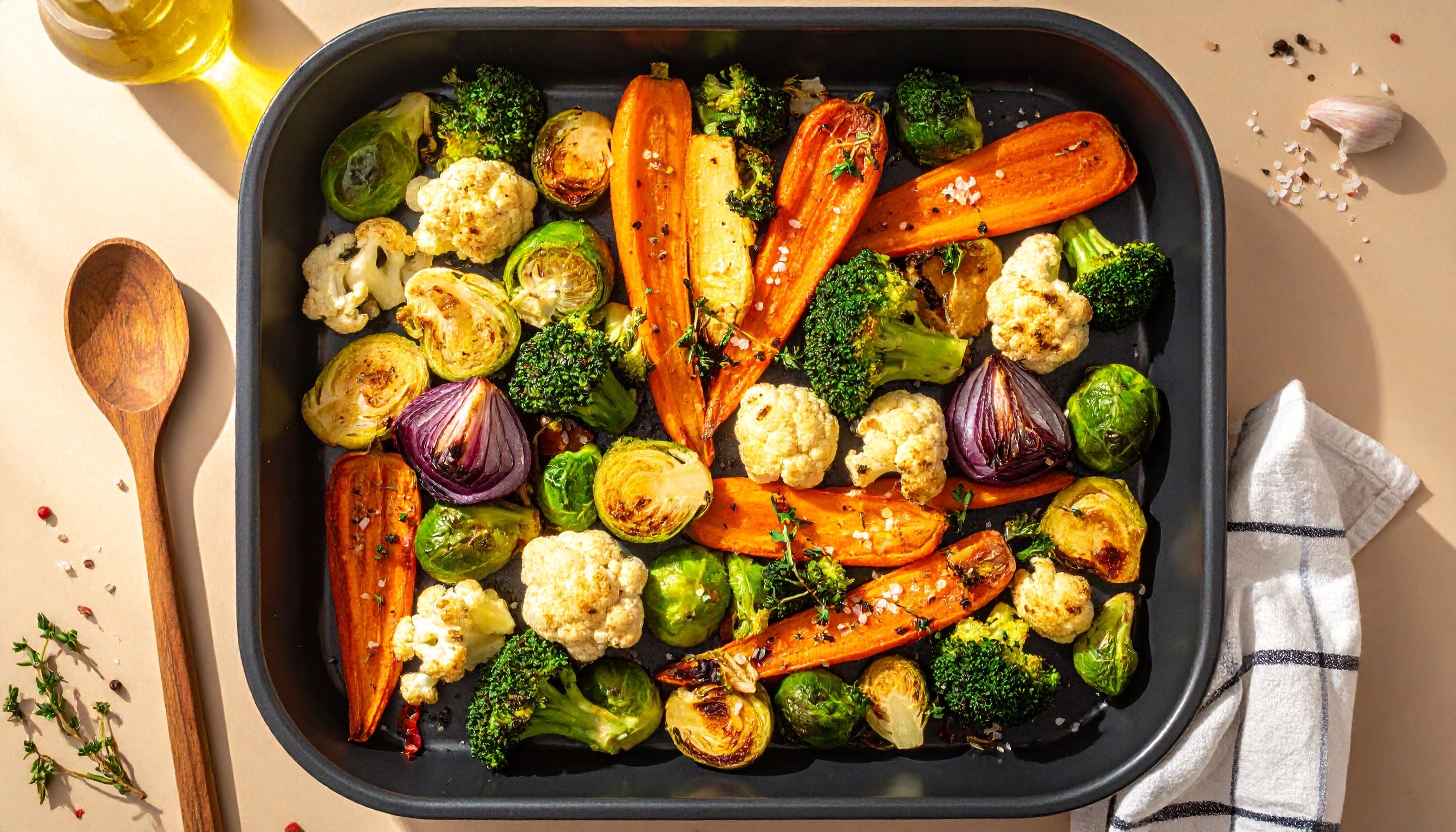
Roasted vegetables should be one of the easiest wins in the kitchen. You cut a few things up, slide a pan into the oven, and hope for caramelized edges, tender centers, and that deep, savory sweetness that makes even very ordinary vegetables feel worth craving.
And yet, a lot of roasted vegetables come out disappointing. They turn pale, soft, watery, or strangely bland. Instead of those golden edges and concentrated flavor everyone talks about, you get a tray of vegetables that feels more like obligation than dinner.
The good news is that better roasted vegetables are not hard. A few small changes make a big difference, and once you know them, roasting becomes one of the simplest ways to make everyday meals taste fuller, warmer, and much more inviting.
Why roasted vegetables go wrong
Most roasting problems come down to a handful of very fixable issues.
Usually, vegetables turn out soggy or flat because:
the oven is not hot enough
the pan is overcrowded
the vegetables are too wet
there is not enough oil
there is not enough seasoning
everything is cut unevenly
That is really it.
Roasting works because the vegetables get direct, dry heat. That heat helps the outside brown and the natural sugars deepen in flavor. Once steam gets trapped, though, the vegetables stop roasting and start softening in a much less exciting way.
What good roasted vegetables should taste like
When vegetables are roasted well, they are not just cooked. They are transformed.
Good roasted vegetables should be:
golden in places
tender inside
lightly crisp at the edges
deeply savory
naturally sweeter than they were raw
flavorful enough that you want another bite
That little bit of browning matters more than people think. It gives the vegetables character.
Start with the right vegetables
A lot of vegetables roast beautifully, but a few are especially rewarding if you are getting started.
Great vegetables for roasting:
carrots
broccoli
cauliflower
Brussels sprouts
sweet potatoes
potatoes
zucchini
red onion
bell peppers
butternut squash
Each one behaves a little differently, but the overall method stays very similar.
The first secret: use more heat than you think
A low oven is one of the fastest ways to end up with limp vegetables.
For most vegetables, a hot oven works best. Think:
425°F for many everyday vegetables
400°F if you want a slightly gentler roast
450°F for vegetables that benefit from deeper browning, as long as you keep an eye on them
That higher heat helps moisture evaporate quickly, which makes caramelization much easier.
If your vegetables keep coming out soft and pale, the oven temperature is one of the first things worth changing.
The second secret: do not crowd the pan
This is probably the biggest difference between vegetables that roast and vegetables that steam.
If the vegetables are packed too closely together, they release moisture into the pan and trap it around themselves. Instead of browning, they soften.
Give them space.
A good rule:
spread vegetables in a single layer
leave a little room between pieces whenever possible
use two pans instead of one if you need to
A crowded tray may look efficient, but it usually tastes less delicious.
The third secret: dry them well
Water is the enemy of browning.
If you wash vegetables and then roast them while they are still damp, they are much more likely to steam. Pat them dry before adding oil and seasoning, especially vegetables like broccoli, cauliflower, and Brussels sprouts.
It feels like a small step, but it makes a real difference.
Oil matters more than people expect
Vegetables need enough oil to coat them properly. Too little, and they dry out before they brown. Too much, and they can feel heavy.
You want enough oil to lightly cover the surface without pooling on the pan.
Olive oil is a favorite for flavor, though avocado oil works beautifully too if you prefer it.
A good starting point is:
1 to 2 tablespoons oil per sheet pan of vegetables
Toss until everything looks lightly glossy and evenly coated.
Season more confidently
One reason roasted vegetables taste bland is that they simply are not seasoned enough.
Salt does a lot of the heavy lifting here. It draws flavor out and helps the vegetables taste fuller and more alive. Pepper helps too, and from there you can build with other seasonings depending on the mood of the meal.
Easy seasonings that work well:
garlic powder
onion powder
smoked paprika
cumin
oregano
thyme
chili flakes
Parmesan after roasting
fresh herbs at the end
lemon juice after roasting
The most important thing is that the vegetables should not go into the oven underseasoned and hope for the best.
Cut vegetables evenly
If half the tray is cut into tiny pieces and the other half into giant chunks, the roasting will be uneven from the start.
Try to keep pieces close in size so they cook at roughly the same pace.
A few quick examples:
broccoli florets should be similar in size
carrots can be sliced into coins or cut into sticks of even thickness
potatoes should be cut into evenly sized cubes or wedges
Brussels sprouts should be halved unless they are very small
This step makes the tray much easier to manage and gives you a more consistent result.
Should you line the pan?
You can, but you do not always need to.
A bare metal sheet pan often gives the best browning. Parchment paper makes cleanup easier and still works well, though it can soften the intensity of browning a little. Foil can be convenient too, but vegetables sometimes stick more than they do on parchment.
If your main goal is flavor and color, a sturdy sheet pan with good heat exposure is ideal.
When to flip them
Not every vegetable needs constant attention, but many benefit from being turned once during roasting.
A good guideline:
roast for about halfway
flip or stir once
return to the oven to finish
This helps with even browning and prevents one side from getting all the attention.
That said, if you are after very deep browning on one side, minimal movement can sometimes work in your favor.
Best roasting times for common vegetables
These are general guides, not strict rules, but they help.
Broccoli
20 to 25 minutes at 425°F
Cauliflower
25 to 30 minutes at 425°F
Carrots
25 to 35 minutes at 425°F
Brussels sprouts
25 to 30 minutes at 425°F
Sweet potatoes
25 to 35 minutes at 425°F
Potatoes
30 to 40 minutes at 425°F
Zucchini
18 to 25 minutes at 425°F
Bell peppers and onions
20 to 30 minutes at 425°F
The exact timing depends on size, moisture, and how browned you want the finish to be.
The best vegetables to start with if you usually dislike roasted vegetables
If roasted vegetables have disappointed you before, try one of these first:
broccoli
carrots
sweet potatoes
cauliflower
Brussels sprouts
These vegetables reward high heat and good seasoning particularly well. They are often the ones that make people realize roasted vegetables can actually be excellent.
Easy combinations that always work
A good roasted vegetable tray does not need to be complicated.
A few dependable combinations:
broccoli + red onion
carrots + cauliflower
Brussels sprouts + sweet potatoes
potatoes + bell peppers + red onion
butternut squash + red onion
zucchini + peppers + cherry tomatoes
Try pairing vegetables with similar roasting times, or stagger them if needed.
How to add more flavor after roasting
The oven does a lot, but the finish matters too.
A few easy ways to brighten roasted vegetables:
squeeze over fresh lemon juice
sprinkle with Parmesan
add chopped parsley or dill
drizzle with tahini sauce
finish with flaky salt
add a spoonful of pesto
toss with balsamic glaze
crumble over feta or goat cheese
That little finishing touch often turns a plain tray into a side dish people actually remember.
Why roasted vegetables sometimes still taste bland
If the vegetables are browning but still not tasting great, check these things:
Did you use enough salt?
Did you use enough oil?
Was the oven hot enough?
Did the pan have too much on it?
Did you stop roasting too soon?
Vegetables often need a little more time than people expect. The line between cooked and delicious is usually a few extra minutes of color.
How to make roasted vegetables part of everyday meals
One of the nicest things about roasting vegetables is how easily they fit into real life.
You can:
serve them beside chicken, fish, or pasta
add them to grain bowls
toss them into salads
fold them into omelets
add them to wraps or sandwiches
spoon them over hummus or yogurt sauces
reheat them for lunch the next day
A tray of roasted vegetables can do a lot more than sit politely beside the main dish.
Can you roast frozen vegetables?
Yes, though they behave a little differently.
Frozen vegetables hold more water, so they are less likely to get deeply browned in the same way fresh vegetables do. Still, they can work well if you:
roast them at high heat
use a large pan
avoid overcrowding
let excess moisture evaporate
Fresh vegetables will usually give you the best texture, but frozen can absolutely still be useful.
One easy formula to remember
If you want the simplest version of the method, use this:
Cut evenly. Dry well. Oil lightly. Season well. Spread out. Roast hot.
That little formula solves most roasting problems before they begin.
Final thoughts
Roasted vegetables do not need a complicated technique or a long list of ingredients to taste wonderful. They just need the right conditions: enough heat, enough space, enough seasoning, and enough time to become what they are capable of becoming.
Once you get those few details right, vegetables start to come out sweet at the edges, savory in the middle, and full of real flavor. They stop feeling like the obligatory part of dinner and start feeling like the part you are happiest to eat.
That is a very good shift for a sheet pan to make.