
Joy is not optional — why pleasure is central to eating well
The Healthy-ish Reset · Post 09 of 10

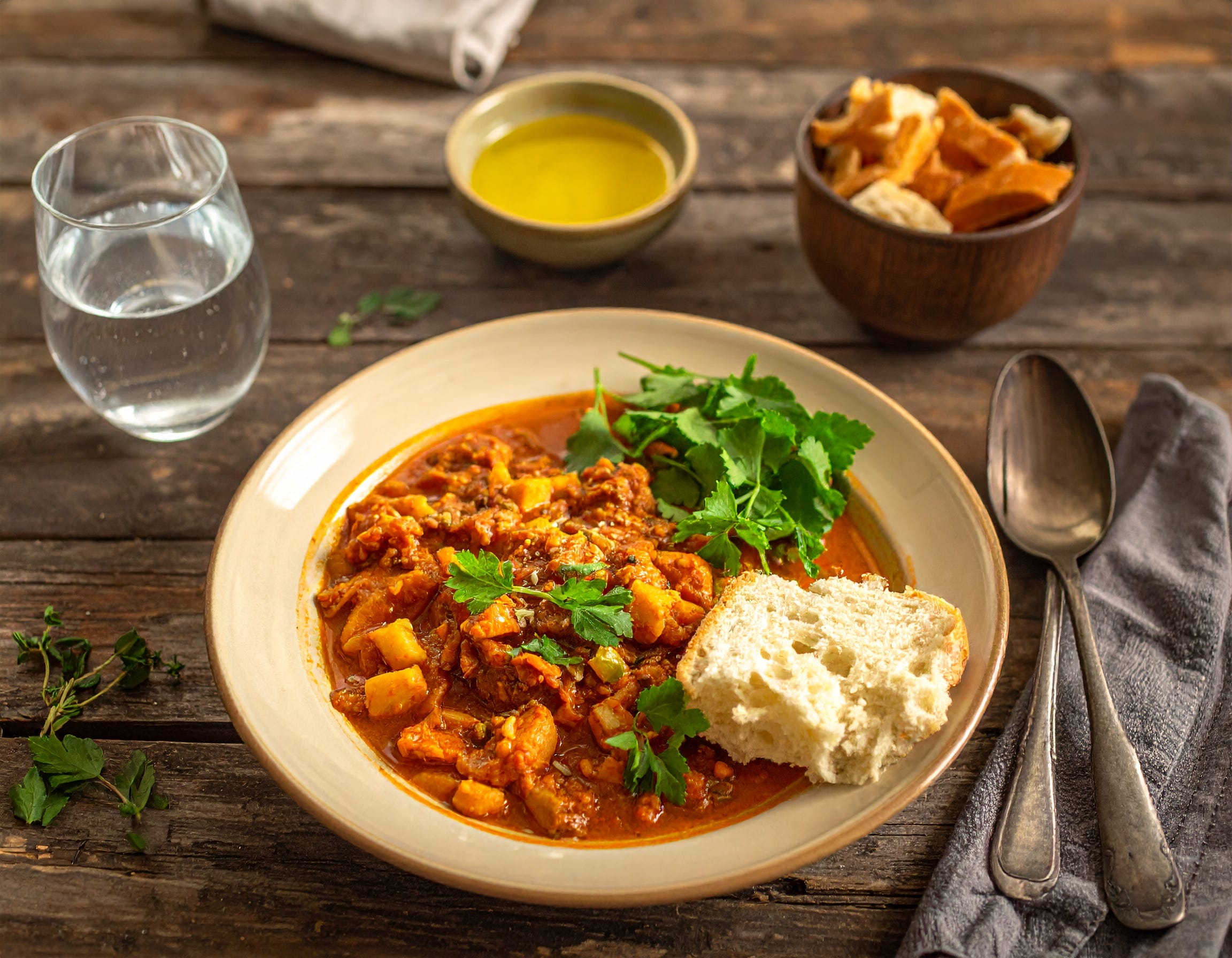
Somewhere along the way, pleasure got demoted.
It became the thing you earned after a week of eating correctly. The reward at the end of the plan, the exception to the rule, the moment when you were finally allowed to enjoy something without it counting against you. The wellness industry did not invent this arrangement, but it has sustained it carefully — because an approach to eating built on deprivation and occasional reward is an approach that requires constant management, and constant management requires products, programs, and experts.
The arrangement is also wrong. Not morally wrong — practically wrong. Wrong in the sense that it does not work, and wrong in the sense that it misunderstands what pleasure is and what role it actually plays in eating well over the long term.
Pleasure is not the reward at the end of the process. It is the mechanism. It is how eating well sustains itself.
A note before we begin: The Healthy-ish Reset is a philosophical approach to building a healthier, more peaceful relationship with food. It is not medical or nutritional advice, and it is not a substitute for guidance from a registered dietitian or your doctor. If you have specific health concerns, a medical condition, or a complicated history with food and eating, please speak with a qualified professional who can support you personally. What you will find here is a way of thinking — not a prescription.
What the wellness industry gets wrong about enjoyment
The wellness industry has a complicated relationship with pleasure, and it is worth naming it directly.
On one hand, wellness content is full of the language of enjoyment. Recipes are described as satisfying, nourishing, and wholesome. Programs promise that you will love the food. Influencers perform enthusiasm for their grain bowls with the energy of people who have never wanted anything else.
On the other hand, the underlying framework of most wellness approaches treats enjoyment as a concession rather than a value. The foods presented as most desirable are defined primarily by what they lack — low sugar, low fat, low carbohydrate, minimally processed. The foods that many people find most pleasurable — rich, complex, calorie-dense, deeply flavored — are permitted occasionally, in controlled quantities, as relief from the real approach rather than as part of it.
This creates a way of eating in which the most enjoyable moments are structurally positioned as deviations. The good meals are the ones you endure. The enjoyable meals are the ones you manage. And managing enjoyment — rationing it, scheduling it, feeling complicated about it — is the opposite of the uncomplicated relationship with food that the same industry claims to be selling.
Why satisfaction is a mechanism, not a reward
Here is what a sustainable way of eating actually requires: that you want to keep doing it.
Not that you feel obligated to keep doing it. Not that you have summoned the discipline to keep doing it. That you genuinely want to, because it is good and it feels good and the food is worth eating on its own terms. That is the only version of eating well that holds up over decades rather than weeks.
Satisfaction is what creates that wanting. A meal that satisfies you — that genuinely delivers on the promise of food, that leaves you feeling nourished and pleased and ready to eat the same thing again — is a meal that makes the next good choice easier. Not because it has earned you a reward. Because it has demonstrated that eating this way is worth it.
A meal that you have tolerated — that was nutritionally correct but experientially empty, that left you wanting something else and feeling vaguely resentful — is a meal that makes the next good choice harder. It has demonstrated that eating this way requires sacrifice, and sacrifice is a resource that depletes.
This is why the repertoire from Post 05 matters so much. A collection of meals you genuinely want to eat is not a nice extra on top of healthy eating. It is the foundation of it. The enjoyment is not incidental. It is load-bearing.
The cultures that got this right
The healthiest food cultures in the world — the Mediterranean, the Japanese, the various cuisines of regions that have been studied for longevity and low rates of chronic disease — share several things. Plenty of vegetables. Minimal ultra-processed food. A variety of whole grains and legumes. Good fats. Reasonable protein.
They also share something that rarely makes it into the nutritional analysis: a deep and uncomplicated relationship with the pleasure of eating.
In these cultures, food is not managed. It is enjoyed. Meals are social, generous, and long. The pleasure of eating is not treated as a risk to be controlled but as a value to be protected. And the people eating this way are not doing so as an act of dietary discipline. They are doing so because the food is good and the eating is enjoyable and it has always been this way.
The lesson is not that any particular cuisine is the answer. It is that sustainable healthy eating and genuine enjoyment of food are not in tension. In every food culture where eating well has been sustained across generations, pleasure was never separated from nourishment. The two were the same thing.
What joyless eating costs
The costs of eating that has been stripped of pleasure are rarely totaled up honestly, but they are real and they compound.
There is the psychological cost — the low-level resentment that builds when food is managed rather than enjoyed, the sense of deprivation that accumulates even when nothing has technically been denied, the way that eating becomes a source of anxiety rather than a source of nourishment and pleasure.
There is the social cost — the difficulty of eating with other people when your approach to food is at odds with how they eat, the mental energy consumed by navigating restaurants and dinner tables and the food that other people cook, the gradual withdrawal from the social dimension of eating that is one of the things that makes food worth caring about.
There is the sustainability cost — the depletion of the willpower and discipline that joyless eating requires, the inevitable moment when the cost of maintaining it exceeds the resources available to sustain it, the crash that follows and the starting-over cycle that the crash triggers.
None of these costs appear on the nutritional label of a low-sugar meal replacement. But they are real, and they matter, and they are why approaches to eating that treat pleasure as expendable tend not to last.
How to bring more pleasure into eating well
This is not a call for hedonism. It is a call for honesty about what makes eating well sustainable — and for building that into the approach rather than treating it as something to be earned or rationed.
A few things that help.
Cook food you actually want to eat. This is the argument of Post 05 restated — but it bears repeating here in the context of pleasure specifically. The meal that excites you is not a departure from the healthy approach. It is the healthy approach, done right.
Eat slowly enough to notice. One of the quiet casualties of busy, distracted eating is that the pleasure of food goes largely unregistered. The meal is consumed but not experienced. Slowing down enough to actually taste what you are eating — to notice the flavors, the texture, the way the food changes as you eat it — is not a mindfulness exercise. It is how eating becomes satisfying rather than merely filling. If paying close attention to eating feels difficult or brings up complicated feelings rather than pleasure, that is worth noting — and worth exploring with a professional who can help.
Make the table worth sitting at. Food eaten standing up over a sink or in front of a screen delivers fuel. Food eaten at a table, with some attention given to the experience of eating it, delivers something more. The environment of a meal shapes the experience of it in ways that affect both enjoyment and satiety.
Let the good meal be good. When a meal is genuinely pleasurable — when the food is right and the company is good and the eating is unhurried — let that be exactly what it is. Not a deviation. Not something to compensate for. A good meal, fully earned, fully enjoyed, and part of the whole picture of eating well rather than an exception to it.
The name
Joyvela exists because joy and health are not opposites.
The name was chosen deliberately — because the belief at the center of everything published here is that eating well and eating with genuine pleasure are not competing values. They are the same value, pursued together, and the pursuit of one without the other is the pursuit of something incomplete.
Joy is not optional. It is not the treat at the end of a difficult week of eating correctly. It is not the concession the plan makes to human weakness. It is the point. And a way of eating that loses sight of that is a way of eating that will, eventually, lose its way entirely.
Post 10 arrives next week — the final post in the series: The long game — what eating well looks like for the rest of your life.
The Healthy-ish Reset is a ten-part series — free for all Joyvela readers. All ten posts are available in the archive at joyvela.io.