
What Is Kombucha? A Simple Beginner’s Guide

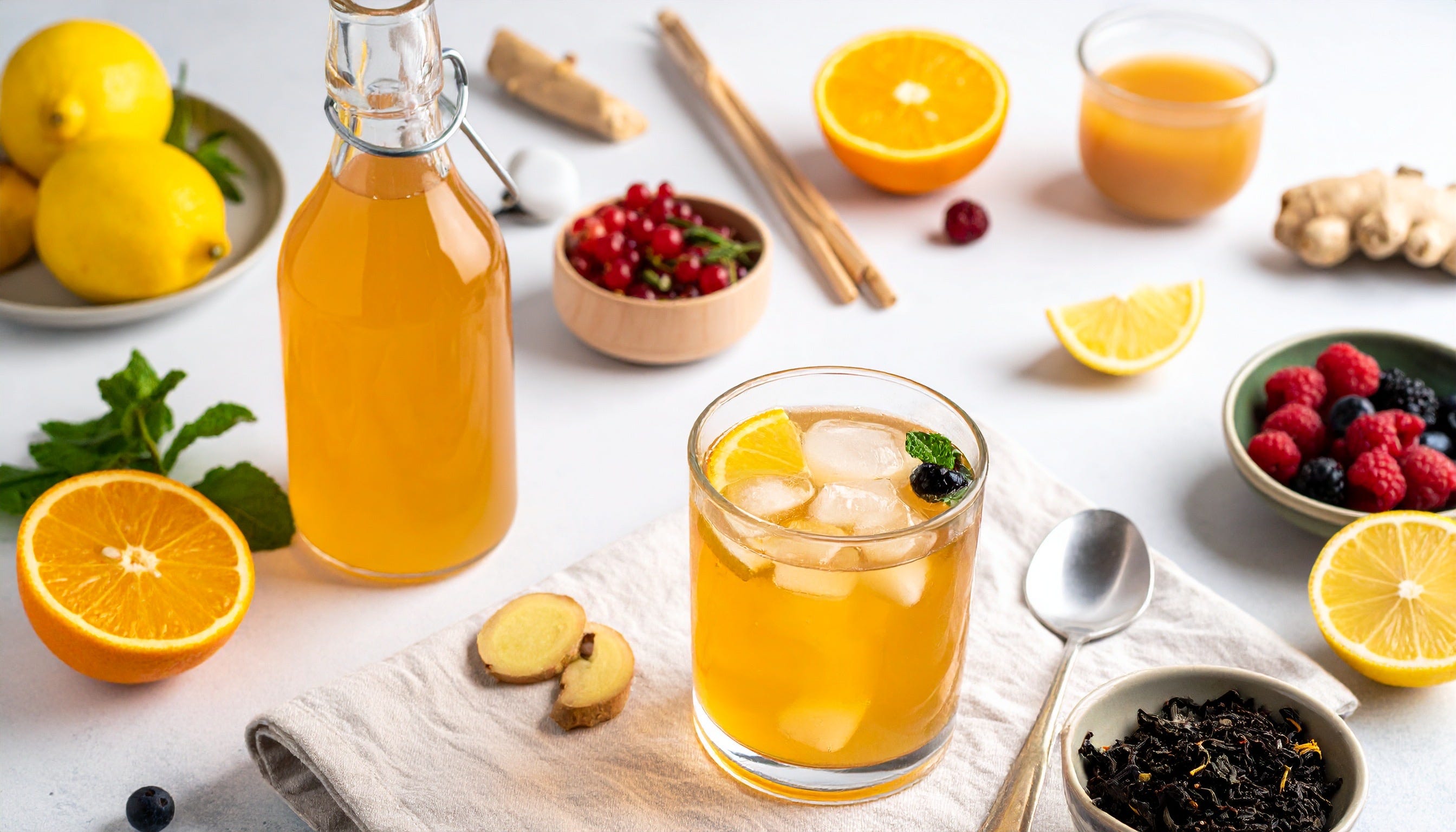
Kombucha can look a little mysterious at first. It fizzes like soda, smells a bit tangy, and often comes in bottles with flavor combinations that sound bright, earthy, or downright intriguing. But once you understand what it is, kombucha starts to feel far less intimidating and much more approachable.
At its heart, kombucha is a fermented tea drink made with tea, sugar, bacteria, and yeast. That might sound more dramatic than it really is. The result is a lightly sparkling drink with a tart, refreshing flavor and a reputation for supporting gut health. People often reach for it when they want an alternative to soda, a drink with a little more character than plain sparkling water, or a ritual that feels fresh and nourishing.
If you have ever picked up a bottle at the store and wondered whether kombucha is worth trying, this guide will walk you through the basics in a clear, easy way.
So, what exactly is kombucha?
Kombucha is sweetened tea that has been fermented over time. During fermentation, a culture of bacteria and yeast feeds on the sugar in the tea and transforms it into a tangy, lightly effervescent drink.
The finished kombucha usually tastes:
a little tart
a little sweet
a little fizzy
sometimes fruity, floral, spicy, or earthy depending on the flavor
It is often made with black tea or green tea, though other tea blends can be used too. After the first fermentation, many brewers add fruit, herbs, or spices for extra flavor.
That is why one bottle might taste like ginger and lemon, while another leans toward raspberry, peach, lavender, or even chili.
Why do people drink kombucha?
A lot of people enjoy kombucha because it feels lively and refreshing. Others like it because it can be a nice swap for sugary soft drinks. And plenty of people are curious about its probiotic reputation.
The appeal usually comes down to a few things:
1. The flavor
Kombucha has a bright, tangy personality that feels very different from juice or soda. It is crisp, slightly sharp, and often more layered than people expect.
2. The fizz
If you enjoy sparkling drinks, kombucha can be very satisfying. It has that same celebratory little lift, but with a more grown-up flavor.
3. The gut-health conversation
Because kombucha is fermented, many people associate it with probiotics and digestion support. That is a big part of its popularity, even though individual products can vary.
4. The ritual
For plenty of people, kombucha becomes one of those small daily pleasures. A cold glass in the afternoon can feel like a reset button.
What does kombucha taste like?
This is probably the question most beginners care about, and honestly, it is a fair one.
Kombucha usually tastes like:
lightly sweet tea
mixed with a splash of vinegar
plus bubbles
plus whatever flavor was added, like berries, ginger, citrus, or herbs
That description can sound a little strange, but in practice, good kombucha often tastes refreshing rather than harsh. The tartness is part of the charm.
A few common flavor notes:
ginger kombucha can taste zippy and warming
berry kombucha can taste juicy and bright
citrus kombucha can feel especially crisp
plain kombucha tends to taste more vinegary and tea-forward
If you are brand-new to it, fruit-forward flavors are often the easiest place to begin.
Why is kombucha made with sugar?
This part surprises a lot of people.
Sugar is added at the beginning because the yeast and bacteria need it during fermentation. They feed on it and convert it as the tea transforms into kombucha.
That does not mean the final drink tastes like syrupy sweet tea. By the end, a good portion of the sugar has been used up, which is why kombucha usually tastes more tart than sugary.
Different brands and recipes can still vary quite a bit, though. One kombucha may taste dry and sharp, while another feels noticeably sweeter.
Is kombucha alcoholic?
Kombucha can contain a small amount of alcohol because fermentation naturally produces it. In most store-bought kombucha sold as a nonalcoholic beverage, that amount stays very low. Still, it is one of those details that surprises first-time drinkers.
If alcohol content is a concern for you, it is worth checking the label and choosing a brand that clearly states what to expect.
Does kombucha have caffeine?
Yes, usually a little.
Because kombucha is made from tea, it often contains caffeine, though typically less than a regular cup of tea or coffee. The exact amount depends on the type of tea used and how the drink was made.
If you are sensitive to caffeine, it helps to:
start with a small serving
avoid drinking it late in the day
look for brands that share caffeine information on the label
Is kombucha healthy?
Kombucha has built a healthy halo around itself, and there are reasons people are drawn to it. It is fermented, often lower in sugar than soda, and can feel like a more interesting beverage choice than many packaged drinks.
That said, it is best not to treat it like magic.
Kombucha can be part of a balanced lifestyle, but it is still just one drink. A bottle of kombucha is not going to fix everything, and not every brand is created equally. A few are quite high in sugar, while others are more restrained. A few are very tart, and a few are more juice-like.
A practical way to think about it is this: kombucha can be a refreshing, enjoyable option that may support a healthy routine, especially if it helps you replace drinks that feel less nourishing.
What should beginners know before trying kombucha?
Trying kombucha for the first time does not need to be a big event, but a little context helps.
Start with a small amount
You do not need to drink a whole bottle right away. A small glass is perfectly fine for your first try.
Choose an easy flavor
Ginger-lemon, berry, mango, or citrus blends are often more beginner-friendly than very earthy or extra-vinegary versions.
Chill it well
Kombucha tends to taste better cold. The cold temperature makes it feel cleaner and more refreshing.
Pour it gently
Because it is fizzy, opening it with care is a good idea, especially if it has been shaken or stored warm.
Pay attention to how you feel
Fermented foods and drinks can feel great for one person and less ideal for another. It is always okay to go slowly.
Why does kombucha have bits floating in it?
This is another totally normal beginner question.
Floating strands, cloudy sediment, or little wisps in the bottle can be part of the fermentation process. They often come from the live cultures in the drink and are not automatically a sign that anything is wrong.
It can look odd if you are not expecting it, but kombucha is a live fermented beverage, so it does not always look perfectly polished and crystal clear.
What matters more is whether it smells and tastes normal for kombucha. If it smells rotten, moldy, or truly off, that is a different story. But light sediment or stringy culture bits are fairly common.
Store-bought vs homemade kombucha
You can absolutely buy kombucha ready to drink, and that is the easiest place to begin. Store-bought kombucha is convenient, accessible, and often available in lots of flavors.
Homemade kombucha is a different experience. People enjoy brewing it because:
it can be less expensive over time
you can customize the flavors
it feels like a fun kitchen project
it gives you more control over sweetness and tartness
For beginners, though, trying a few store-bought bottles first usually makes sense. It helps you figure out whether you even like kombucha before you think about brewing your own.
How do you drink kombucha?
There is no complicated ritual here. You can drink it straight from the bottle, pour it over ice, or use it in simple mocktails.
A few easy ways to enjoy it:
cold from the fridge
in a glass with ice and citrus
paired with lunch instead of soda
as an afternoon pick-me-up
mixed with fruit juice or sparkling water for a gentler intro
If the flavor feels too strong at first, try mixing it with sparkling water. That can make the tartness feel more approachable.
When is the best time to drink kombucha?
There is no single perfect time, but people often like it:
with lunch
in the afternoon
before or after a meal
as a soda replacement
as a little daily ritual
It really depends on your preferences, your caffeine sensitivity, and how your body responds to fermented drinks.
Who might want to be a little cautious?
Kombucha is widely enjoyed, but caution makes sense if:
you are very sensitive to caffeine
you do not usually tolerate fermented foods well
you are monitoring sugar intake closely
you are unsure how a live fermented drink fits your individual health needs
If any of those concerns apply, a small serving and a quick label check are both sensible places to start.
How should you choose your first kombucha?
The first bottle matters more than people think. A very vinegary flavor can put a beginner off quickly, even though a gentler one might have gone over beautifully.
Look for:
fruit-forward flavors
moderate sugar levels
clear ingredient lists
a brand with a good reputation for balanced taste
Good first choices often include:
ginger lemon
raspberry
mango
peach
mixed berry
citrus
Is kombucha worth trying?
If you enjoy sparkling drinks, bright flavors, and food trends that have actual staying power, it is worth trying at least once. Kombucha is not for everyone, and that is perfectly fine. But it does have a lot going for it: character, fizz, tang, and a little sense of discovery.
A good bottle can feel refreshing, a little unexpected, and pleasantly grown-up. And if it ends up becoming your favorite afternoon drink, that is a nice bonus too.
Final thoughts
Kombucha is one of those drinks that sounds more complicated than it really is. Once you know that it is simply fermented tea with a tart sparkle and a wide range of flavors, the mystery fades pretty quickly.
For beginners, the easiest path is also the nicest one: start cold, start small, and choose a fruity flavor that sounds genuinely appealing. You do not need to become a fermentation expert to enjoy it. You just need one bottle you like and the curiosity to try it.
That is often how a new favorite starts.