
What Is Tahini? A Beginner-Friendly Guide

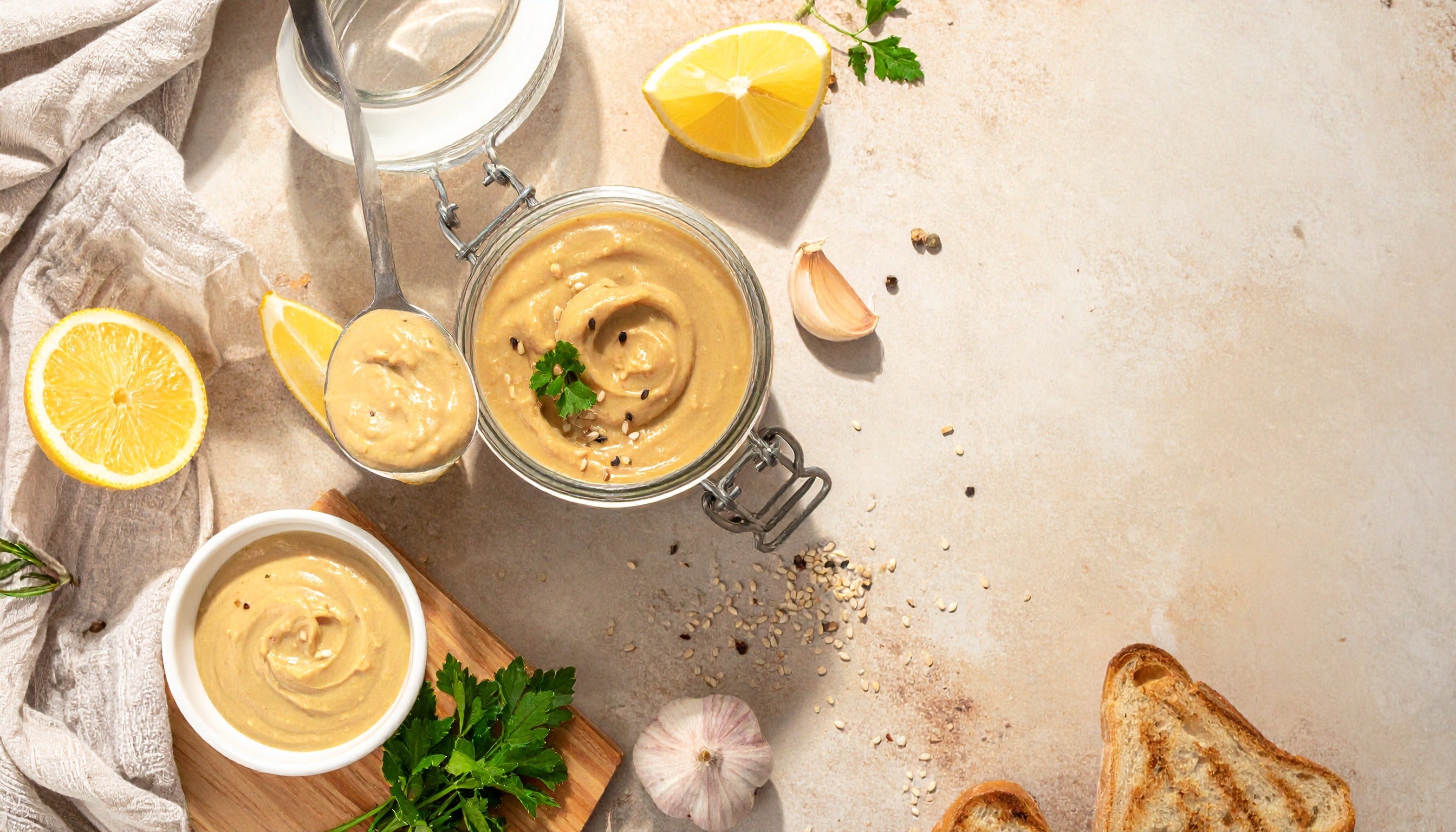
Tahini is one of those pantry ingredients that can make a kitchen feel instantly more interesting. It looks modest enough in the jar, but once you start using it, you realize it brings a deep, nutty richness that can turn dressings, sauces, dips, cookies, and even toast into food with a lot more character.
If you have seen tahini in recipes and wondered whether it is worth buying, the short answer is yes. It is versatile, easy to use, and far less intimidating than it first appears. A spoonful can add creaminess without dairy, depth without heaviness, and a gentle roasted flavor that makes all kinds of dishes taste more complete.
This guide will walk you through what tahini is, what it tastes like, how to use it, and how to pick a good jar without overthinking it.
So what exactly is tahini?
Tahini is a paste made from ground sesame seeds. That is the whole idea, really. Sesame seeds are hulled or unhulled, toasted or raw depending on the style, then blended until they become smooth and spoonable.
The texture is a little like natural peanut butter, though usually looser and silkier. The flavor is earthy, nutty, lightly bitter, and rich in a way that feels very distinctive once you know it.
Tahini is widely used in Middle Eastern and Mediterranean cooking, though it has found a comfortable place far beyond those cuisines because it works in so many different ways.
What does tahini taste like?
Tahini has a savory, nutty flavor with a slight bitterness that makes it feel grown-up and deeply flavorful rather than sweet or snack-like.
A good tahini usually tastes:
roasted
nutty
creamy
earthy
gently bitter
rich without feeling too heavy
If you are expecting peanut butter, tahini may surprise you. It is much less sweet and much more savory. That is exactly what makes it so useful.
In the right recipe, tahini adds depth and body in a very elegant way. It can make a dressing taste fuller, a sauce taste silkier, or a cookie taste warmer and more complex.
What is tahini made from?
Tahini is made from sesame seeds and, in many jars, a little oil to help the mixture stay smooth.
That means it is often:
dairy-free
gluten-free
vegan
made with very few ingredients
A very simple tahini label may list only sesame seeds. That is often a good sign.
Is tahini the same as sesame butter?
Not exactly, though the two are very similar.
Tahini is generally the term most often used for sesame paste in savory cooking, especially in Middle Eastern and Mediterranean recipes. Sesame butter can sometimes refer to a similar product, though naming can vary by brand and region.
In everyday cooking, if a recipe calls for tahini, you usually want the pourable sesame paste sold in jars near nut butters, international foods, or health-food shelves.
Why do people use tahini?
Tahini earns its place in the kitchen because it does a lot at once.
It can add:
creaminess
richness
nutty flavor
body to sauces and dressings
balance in sweet and savory recipes
It is also helpful when you want a creamy texture without relying on cream, cheese, or mayonnaise. That makes it especially useful in dressings, sauces, dips, and plant-forward cooking.
The most common ways to use tahini
Tahini is more flexible than many people expect. A jar can go much further than hummus.
1. Hummus
This is probably the best-known tahini use. It gives hummus its richness, depth, and classic flavor.
2. Dressings
Tahini makes beautiful salad dressings. Mixed with lemon juice, garlic, olive oil, and water, it turns into a creamy dressing that feels bright and satisfying.
3. Sauces
Drizzle it over roasted vegetables, grain bowls, falafel, grilled chicken, or baked sweet potatoes. It adds a lovely savory finish.
4. Dips
Tahini can be stirred into yogurt, blended into bean dips, or whisked into quick sauces for vegetables and warm flatbread.
5. Baking
Tahini works surprisingly well in cookies, brownies, and quick breads. It gives baked goods a subtle nutty flavor and a soft richness that feels very special.
6. Breakfasts and snacks
A little tahini on toast with honey, jam, sliced banana, or cinnamon can be excellent. It also works in oatmeal, smoothies, and yogurt bowls.
What does tahini do in a recipe?
Tahini often acts like a quiet supporting ingredient. It does not always announce itself loudly, but you would notice if it were missing.
It can:
make dressings creamier
make sauces smoother
add nutty depth
balance acidic ingredients like lemon
make sweet recipes feel more complex
help savory dishes taste fuller
It is one of those ingredients that creates a lot of payoff from a very small amount.
Is tahini healthy?
Tahini is made from sesame seeds, so it brings healthy fats along with a little protein and a little fiber. It also feels satisfying in recipes because it has enough richness to carry flavor well.
Like nut butters, tahini is best thought of as a nourishing, flavorful ingredient rather than a miracle food. It can absolutely fit into a balanced way of eating, especially because a spoonful often goes a long way.
Why does tahini sometimes look separated?
This is very normal.
Like natural peanut butter, tahini often separates in the jar. The oil rises to the top, while the thicker sesame paste settles below. That does not mean anything is wrong with it.
It usually just means you need to stir it.
A sturdy spoon, butter knife, or even a chopstick can help you work the oil back in. Once stirred, the tahini should look smooth and creamy again.
How do you choose a good tahini?
A good tahini usually has:
a smooth, pourable texture
a clean sesame flavor
a short ingredient list
no odd bitterness that overwhelms everything else
If you are buying tahini for the first time, look for a jar that lists sesame seeds as the main ingredient and avoid anything that looks overly dry or grainy if you can help it.
Many people find that lighter, smoother tahini is especially easy to use in dressings, sauces, and baking.
What is the difference between raw tahini and toasted tahini?
The flavor can vary depending on how the sesame seeds were prepared.
Raw tahini
Made from sesame seeds that are not deeply toasted. It usually tastes milder and a little more delicate.
Toasted tahini
Made from sesame seeds that have been toasted more fully. It often tastes deeper, nuttier, and more pronounced.
Neither is automatically better. It depends on what you like and what you are making. For beginners, a smooth, balanced tahini that is not too bitter is often the nicest place to start.
How do you use tahini in a simple way?
If you are new to tahini, here are a few very easy first uses.
Tahini lemon dressing
Whisk tahini with lemon juice, garlic, olive oil, salt, and water until smooth. Spoon it over greens, roasted vegetables, or grain bowls.
Tahini toast
Spread tahini on toast and top with honey, sliced banana, or a sprinkle of cinnamon.
Tahini yogurt sauce
Mix tahini into plain yogurt with lemon and garlic for a quick sauce that works with roasted vegetables or grilled meat.
Tahini cookies
Use it in baking the way you might use a nut butter. It adds richness and a soft nutty warmth.
Tahini drizzle
Thin tahini with water and lemon juice, then drizzle it over roasted cauliflower, chickpeas, or baked sweet potatoes.
Why does tahini sometimes get thick when mixed with lemon juice?
This catches a lot of people off guard the first time.
When tahini meets lemon juice, it can tighten up and look thicker instead of smoother. That is normal. Once you add water and keep whisking, it loosens into a creamy sauce.
It feels backward the first time, but it is part of how tahini works.
Does tahini need to be refrigerated?
That depends on the jar and how quickly you use it.
Many tahini jars can be stored in a cool, dry pantry before opening. After opening, refrigeration can help it stay fresh longer, though it may firm up in the fridge.
Always check the label, since storage advice can vary by brand.
What can you substitute for tahini?
If you are in the middle of a recipe and do not have tahini, the best substitute depends on what you are making.
Options can include:
natural peanut butter
almond butter
sunflower seed butter
Greek yogurt, in dressings or sauces where the sesame flavor is less important
That said, these substitutes change the flavor. If a recipe really depends on tahini for its identity, like hummus or a tahini sauce, the best result usually comes from using the real thing.
Is tahini sweet or savory?
Mostly savory, though it works beautifully in sweet recipes too.
That is one of its nicest qualities. It moves comfortably between:
savory bowls
dips
dressings
sauces
cookies
blondies
quick breads
That savory-meets-nutty quality gives it a lot of range.
What should beginners make first with tahini?
If you want the easiest starting point, go with one of these:
hummus
tahini lemon dressing
tahini toast with honey
a grain bowl sauce
tahini cookies
Those recipes let you get to know the flavor without making the ingredient feel complicated.
Is tahini worth keeping in the pantry?
Yes, especially if you enjoy ingredients that can make everyday food taste more interesting with very little effort.
A jar of tahini can help you make:
better dressings
more flavorful sauces
creamier dips
more interesting baked goods
quick meals that feel a little more put together
That is a lot of value from one ingredient.
Final thoughts
Tahini may not look flashy, but it is the kind of pantry staple that quietly improves all kinds of food. It is creamy, nutty, versatile, and full of personality once you learn how to use it.
If you have been curious about it, this is your sign to buy a jar and start simple. Stir it into a dressing, spread it on toast, or whisk it into a sauce for roasted vegetables. A little practice is all it takes before tahini stops feeling unfamiliar and starts feeling like one of those ingredients you are very glad to have around.
That is often how the best pantry staples win you over.