
Why convenience food got a bad reputation it does not entirely deserve
The case for a more honest relationship with the food that makes modern life manageable.

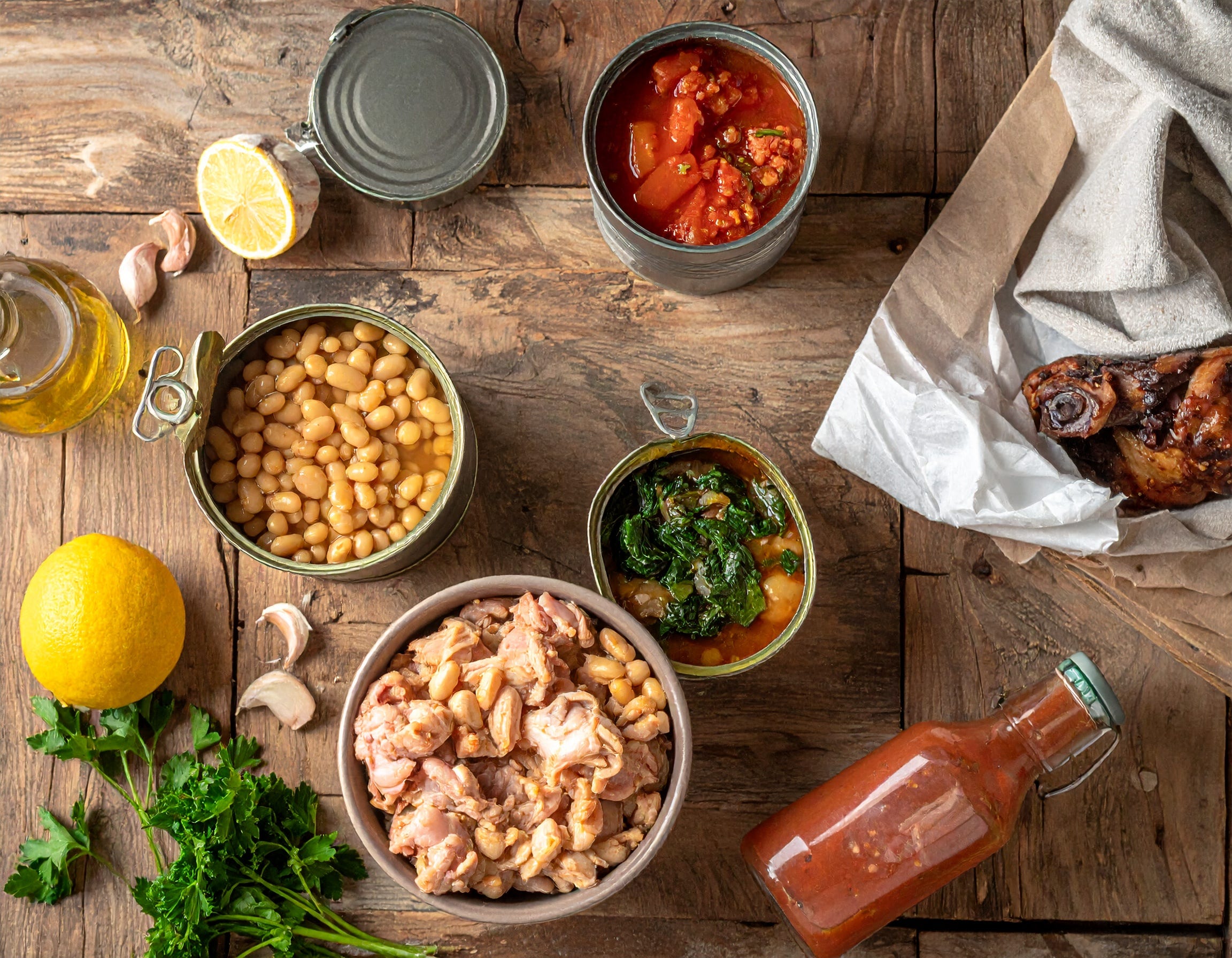
Convenience food is one of the most loaded phrases in the modern food vocabulary.
Say it in the wrong company and you can feel the temperature drop. It conjures a specific image — processed, packaged, nutritionally hollow, the culinary equivalent of giving up. It is the food that serious eaters apologize for. The food that wellness culture has decided is the enemy of health, the shortcut that comes at a cost, the evidence of insufficient commitment to eating well.
This reputation is not entirely unearned. There is a category that genuinely deserves it — the ultra-processed products engineered to be hyperpalatable and nutritionally inadequate, the meals designed to produce maximum short-term satisfaction and minimal nutritional value, the food-adjacent products that bear so little resemblance to actual food that calling them convenience food flatters them. This category exists and it is worth avoiding most of the time.
But the category of convenience food is not monolithic, and the blanket condemnation of everything that falls under the label does significant harm — to people’s ability to cook at all, to their relationship with the kitchen, and to the honest accounting of what makes eating well sustainable in a real life with real constraints. The case against convenience food, as it is typically made, is a case made from a position of privilege — time privilege, energy privilege, skill privilege — that ignores the reality most people are actually cooking in.
What convenience food actually is
Convenience food is any food or ingredient that reduces the time, skill, or effort required to produce a meal. By this definition, canned tomatoes are convenience food. Frozen peas are convenience food. Pre-washed salad greens are convenience food. A rotisserie chicken from the grocery store is convenience food. Dried pasta is convenience food. Stock cubes are convenience food. Greek yogurt, canned beans, jarred pasta sauce, pre-made pizza dough — all convenience food by any reasonable definition.
None of these things are nutritionally problematic. None of them represent a failure of domestic commitment. All of them are used regularly and without apology by excellent home cooks who understand that the goal of weeknight cooking is a good meal on the table, not a demonstration of technique purity. The line between ingredient and convenience food is entirely arbitrary — drawn differently by different people and used largely as a class signifier rather than a nutritional distinction.
The actual nutritional question is not whether something is convenient but whether it is made from recognizable whole food ingredients in proportions that support rather than undermine health. A jar of good pasta sauce made from tomatoes, olive oil, garlic, and basil is convenience food and it is also genuinely nourishing. A bag of frozen edamame is convenience food and it is also an excellent source of complete plant protein. A can of white beans is convenience food and it is also one of the most nutritionally dense pantry staples available. The convenience of these products is a feature rather than a flaw — it is what makes using them on a weeknight possible, and it is what makes the alternative of not using them the worse nutritional outcome rather than the better one.
The privilege problem in the anti-convenience narrative
The case against convenience food — in its most fully developed form — argues that cooking everything from scratch with whole, unprocessed ingredients is the standard to which serious eaters should aspire. This argument has a coherent internal logic. Fresh ingredients prepared from scratch do, in many cases, produce superior results. Growing, buying, and preparing whole ingredients is a more direct relationship with food and with the labor that produces it.
What this argument consistently fails to acknowledge is the conditions under which most people actually cook. A single parent working two jobs does not have the time or energy to cook from scratch every night. A person with a chronic illness that affects their energy levels cannot always stand at a stove for an hour preparing a meal from whole ingredients. A person living in a food desert may not have reliable access to the fresh whole ingredients that scratch cooking requires. A person with limited cooking skills, cooking for themselves for the first time, may not have the knowledge to cook from scratch even if the time and energy were available.
In all of these cases — which describe a significant proportion of people rather than an exceptional few — convenience food is not the enemy of nourishing eating. It is one of the primary tools that makes eating well possible at all. A can of beans instead of dried beans that require soaking overnight. A bag of frozen spinach instead of fresh spinach that goes bad in three days. A jar of good pasta sauce on the nights when making one from scratch is not realistic. These are not concessions to laziness. They are adaptations to the genuine constraints of a real life, and treating them as failures of commitment to healthy eating is both inaccurate and unkind.
The spectrum of convenience
Not all convenience food is the same, and the most useful framework for thinking about it is not a binary of acceptable and unacceptable but a spectrum of nutritional quality and degree of processing.
At the high-quality end of the spectrum are the convenience ingredients that are nutritionally equivalent or superior to their from-scratch alternatives. Frozen vegetables are frozen at peak ripeness and retain their nutritional value in ways that fresh vegetables, transported and stored for days or weeks, often do not. Canned fish provides complete protein and omega-3 fatty acids in a form that requires no preparation. Canned beans are nutritionally identical to beans cooked from dried. These products make nourishing cooking faster and more reliable, and using them is unambiguously good for both eating quality and eating sustainability.
In the middle of the spectrum are the convenience products that are somewhat processed but made from recognizable ingredients in reasonable proportions — jarred pasta sauces, good quality frozen meals, pre-made soups, store-bought hummus, rotisserie chicken. These products vary in quality and it is worth reading ingredients lists and choosing better options where they are available, but they are not nutritionally dangerous and they serve a genuine function in making meals possible on evenings when from-scratch cooking is not realistic.
At the low-quality end of the spectrum are the ultra-processed products — engineered for palatability rather than nutrition, made from ingredients that require scientific processes to create and that bear little resemblance to whole food. This is the category that has earned the negative reputation of convenience food generally, and it is worth treating with genuine caution. Ultra-processed food is associated with worse health outcomes across multiple large studies, and the mechanism is not simply that it is less nutritious than whole food — it is that it is specifically designed to override the satiety signals that would otherwise prevent overconsumption. This is a meaningful distinction from the merely convenient, and it is worth making.
The problem is that the condemnation of ultra-processed food has extended, in much of food culture, to condemn all convenience food — treating canned tomatoes and chicken nuggets as morally equivalent because both involve some degree of processing and convenience. They are not equivalent. Conflating them is what produces the false choice between cooking entirely from scratch and eating badly, a choice that serves neither health nor realism.
What convenience food makes possible
The most honest case for convenience food is not a defense of its nutritional profile — much of it genuinely is less nutritious than whole food alternatives — but a case for what it makes possible in real cooking lives.
It makes cooking possible on evenings when it otherwise would not be. A jar of pasta sauce and a box of dried pasta is dinner in fifteen minutes. Without the jar, that evening might end in takeout or a meal of whatever snack food is available, both of which are nutritionally inferior to the pasta with jarred sauce. The comparison is not between jarred sauce and homemade sauce. It is between jarred sauce and no cooking at all, and in that comparison jarred sauce wins clearly.
It makes cooking accessible to people who are still building skills. A person who is learning to cook needs shortcuts that compensate for the skills they have not yet developed. Stock cubes instead of homemade stock. Jarred curry paste instead of whole spices ground fresh. Pre-made pastry instead of pastry made from scratch. These shortcuts allow a less experienced cook to produce a good meal — building the habit of cooking and the confidence that comes from it — without requiring mastery of every component simultaneously. The scratch skills can come later, as the habit is established and the confidence grows.
It makes cooking sustainable over the long term. The person who allows themselves to use convenience ingredients when circumstances warrant it is more likely to keep cooking than the person who holds themselves to a standard of scratch cooking that fails when life gets complicated. Sustainability is the whole game in healthy eating, and convenience food — used intelligently and without shame — is one of the tools that makes long-term sustainability possible.
The intelligent use of convenience
Using convenience food intelligently means understanding which products genuinely serve your cooking and which ones undermine it — and making those distinctions based on the actual nutritional and practical considerations rather than the cultural value judgments that have accumulated around the concept.
It means keeping a selection of high-quality convenience ingredients — canned tomatoes, canned fish, frozen vegetables, canned beans, good jarred sauces — as the backbone of a pantry that enables fast, nourishing cooking. It means using these ingredients without apology as components of real meals rather than as evidence of inadequacy.
It means being more thoughtful about the ultra-processed end of the spectrum — not because it is morally wrong to eat it but because the specific properties of ultra-processed food make it harder to eat in moderation and less satisfying per calorie than whole food alternatives. Occasional consumption is not a problem. Regular reliance as the primary food source is worth addressing, not because it constitutes moral failure but because it genuinely does produce worse health outcomes than the alternatives.
And it means releasing the judgment — both the judgment of others and the self-judgment — that attaches to the use of convenience food. The person who makes a good dinner from a jar of pasta sauce and a can of white beans has cooked dinner. The person who makes the same dinner entirely from scratch has also cooked dinner. Both of them ate well. The scratch version is not meaningfully more virtuous than the jarred version. It is just a different version of the same basic act — feeding yourself and the people you care about with food that is genuinely good.
Where Joyvela stands
We use convenience food. We use canned beans because they are faster than dried and nutritionally equivalent. We use canned tomatoes because they are better than out-of-season fresh tomatoes for cooked applications. We use frozen spinach because it is more convenient than fresh and nutritionally indistinguishable. We use good jarred sauces occasionally because they make dinner possible on the evenings when making sauce from scratch is not realistic.
We do not apologize for any of this, and we do not think you should either. The goal is a genuinely good meal on the table, made from food that nourishes you, prepared with as much care as the evening allows. Sometimes that care involves making everything from scratch. Often it involves intelligent use of the convenience products that make the cooking faster and more reliable.
Both are cooking. Both are good. Neither requires an apology.