
Why Is My Banana Bread Dry? Common Reasons and Fixes

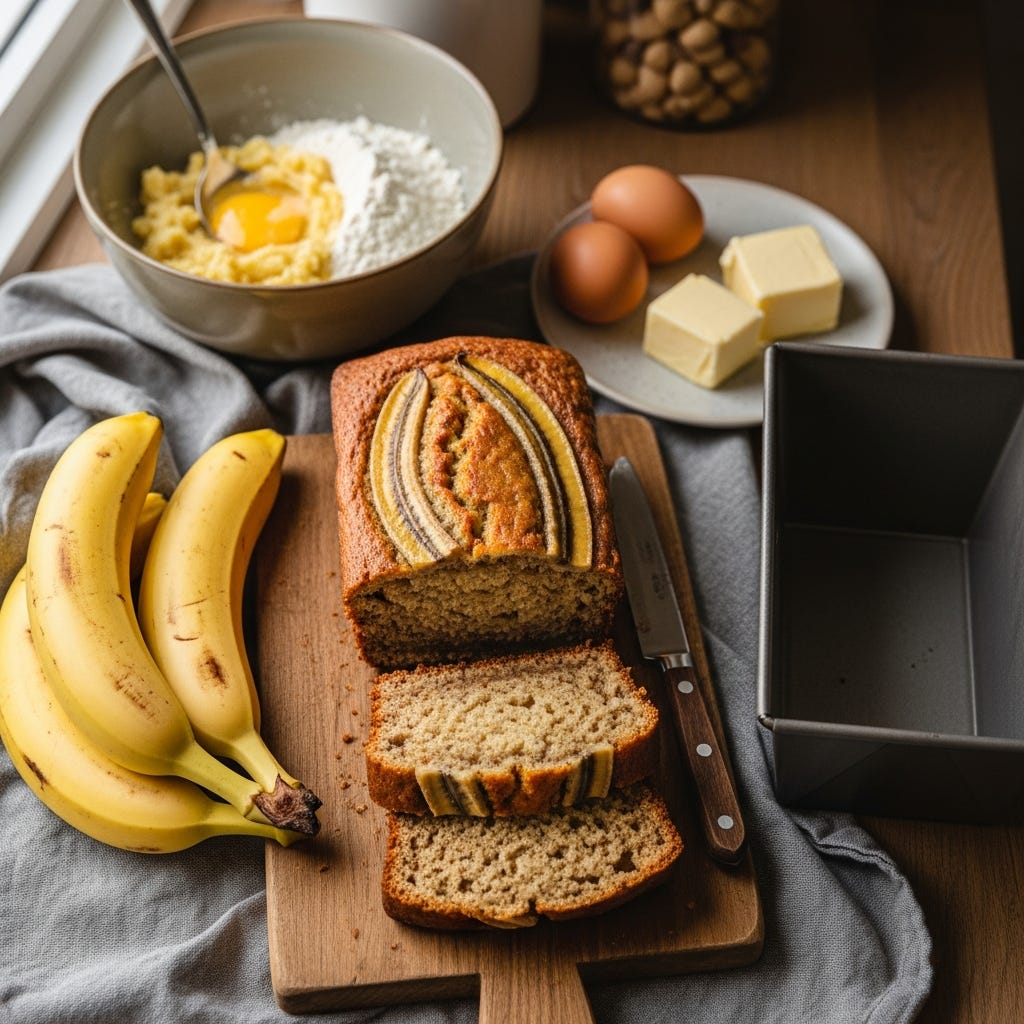
Banana bread should be a straightforward recipe, one that feels effortless. You take some overripe bananas, mash them up, and mix them with a straightforward batter. The goal is a loaf that’s soft, fragrant, and so inviting that it practically fills the kitchen with the scent of a wonderful idea.
The letdown, when it happens, feels strangely intimate. Instead of that moist, cozy slice you were already picturing, you get a loaf that crumbles too much, tastes a little dull, and makes you wonder what went wrong in a recipe that seemed so straightforward.
The good news is that dry banana bread usually comes down to a few very fixable issues. Once you know what they are, it gets much easier to bake a loaf that feels rich, soft, and worth making again.
What good banana bread should be like
A really good banana bread should feel:
moist but not wet
tender, not gummy
soft enough to slice cleanly
rich with banana flavor
sturdy enough to hold together
Comforting from the first bite to the last
That balance is what makes it so lovable. It is not cake, exactly. It is not ordinary bread either. It lives somewhere in between, and when it is right, it feels generous and familiar all at once.
The most common reason banana bread turns dry
The most common cause is simple: too much flour.
Flour can change banana bread quickly. Even a little extra can make the batter heavier and the final loaf drier than you meant it to be. This often happens when flour is scooped directly with the measuring cup instead of spooned in and leveled.
A packed cup of flour is not the same as a light one, and banana bread feels that difference.
Better habit:
Spoon the flour into the measuring cup.
Level it gently.
Avoid tapping or packing it down.
If you bake often, a kitchen scale makes this even easier.
Another major reason: not enough bananas.
Bananas do a lot more than provide flavor. They also bring moisture, softness, and body to the loaf.
If the bananas are too small, not ripe enough, or fewer than the recipe requires, the bread may bake drier and tougher.
Best bananas for banana bread:
very ripe
heavily speckled
soft
fragrant
almost too far gone for casual snacking
Those deeply ripe bananas are the ones that make banana bread taste richer and stay softer.
Overbaking dries banana bread fast.
Banana bread can look done before it is, so it’s easy to make this mistake.
A loaf can lose a lot of moisture if left in the oven for even 5 to 10 minutes too long.
Signs it may be overbaked:
The crust looks quite dark.
The edges pull too far from the pan.
The loaf feels firm all the way through.
The center tester comes out completely dry.
You usually want a tester to come out with a few moist crumbs, neither wet batter nor bone-dry.
Too much mixing can make it tougher.
Banana bread batter does not need aggressive stirring. Once the flour goes in, overmixing starts developing gluten, which can make the loaf denser and less tender.
That does not always cause dryness on its own, but it can absolutely make the texture feel less soft and more bread-like in an unpleasant way.
Better approach:
Mix until the flour disappears, then stop. A few small streaks are better than overworking the batter.
Too little fat can affect moisture.
Most banana bread recipes rely on butter, oil, sour cream, yogurt, or a similar ingredient to help create tenderness.
If you reduce the fat too much, swap ingredients casually, or use a recipe that is a little underpowered to begin with, the loaf may come out drier than expected.
In general:
Oil tends to keep quick breads softer longer.
Butter adds lovely flavor, though sometimes a slightly firmer crumb.
Yogurt or sour cream can add both moisture and tenderness.
A balanced recipe usually matters more than any single ingredient trick.
Sugar helps more than sweetness.
Sugar does not just make banana bread sweet. It also helps with moisture and texture.
If you cut the sugar too aggressively, the loaf may not hold moisture as well. That does not mean banana bread needs to be overly sweet, but it does mean that big ingredient reductions can change more than flavor.
The pan size matters.
If the loaf pan is too small, the batter may sit thick and bake unevenly. If the pan is too large, the batter spreads out more and can bake faster, which sometimes leads to dryness.
A recipe written for a standard loaf pan really does work best in the pan it expects.
This is one of those small details that feels unimportant until the texture goes wrong.
Oven temperature can quietly cause problems.
An oven that runs hot can dry banana bread out before the center has the chance to bake gently.
If your loaf often comes out dry, dark, or overdone at the edges, your oven temperature may be higher than the dial says it is.
An oven thermometer can be surprisingly helpful here. Quite a few home ovens are a little inaccurate, and banana bread is the kind of recipe that notices.
Using too many dry add-ins
Banana bread can handle mix-ins beautifully, but too many of them can pull the loaf away from that tender texture.
Ingredients like:
chopped nuts
chocolate chips
oats
coconut
dried fruit
If added too heavily, all of these ingredients can alter the balance, particularly when the batter is already thick.
This does not mean you should skip them. It just means restraint is helpful.
Why ripe bananas matter so much
This one deserves its own section because it changes everything.
Ripe bananas are
sweeter
softer
easier to mash
more flavorful
More hydrating in the batter
Less ripe bananas are firmer and starchier, and they do not melt into the loaf in the same way. If the banana bread you make tastes dry and a little flat, under-ripe fruit may be part of the reason.
Can too little egg make banana bread dry?
Yes, depending on the recipe.
Eggs help with structure, richness, and moisture. If you use tiny eggs in a recipe expecting large ones, or if you reduce the number of eggs, the loaf can turn out less tender.
As with most baking, little imbalances can add up.
A few easy fixes for moister banana bread
If you want softer, more tender results, these are the most reliable changes:
1. Use very ripe bananas.
This is the easiest upgrade and often the most important.
2. Measure flour carefully.
A heavy hand with flour is one of the biggest causes of dry banana bread.
3. Do not overmix.
Gentle stirring keeps the crumb softer.
4. Check the loaf earlier.
Start checking before you think it will be done, not after.
5. Use oil or a mix of butter and oil.
Oil often helps quick breads stay moister longer.
6. Add yogurt or sour cream.
A little dairy richness can help with tenderness and softness.
What if your banana bread is already dry?
You can still make it more enjoyable.
Try:
warming slices slightly before serving
spreading with butter
serving with cream cheese
toasting lightly
Drizzling with honey
turning it into banana bread French toast
using it in a simple dessert with whipped cream
A dry loaf may not be your dream result, but it can still be used.
How the batter should look
Banana bread batter should usually look thick but scoopable. It should not be stiff or dough-like.
If it looks very heavy before it goes into the pan, that can be an early clue that
Too much flour was added.
There are not enough bananas.
There are too many dry mix-ins.
It has been overmixed.
A batter that feels balanced tends to bake more beautifully, too.
The difference between moist and underbaked
People frequently trip over this.
Moist banana bread:
feels tender
slices cleanly once cooled
has a soft crumb
leaves a few moist crumbs on a tester
Underbaked banana bread:
feels wet or gummy in the center
sinks as it cools
sticks heavily to the knife
seems dense and unfinished
The goal is not wetness. It is tenderness.
One more thing: let it cool properly.
Cutting banana bread too early can make the texture seem off. It may feel wetter in the center at first, then oddly dry later once steam escapes too quickly.
Letting the loaf cool in the pan briefly, then on a rack, helps it settle into the texture you actually want.
It is not the most exciting advice, but it helps.
A good banana bread checklist
Before baking:
Bananas are very ripe.
flour measured carefully
correct pan size
oven preheated properly
Batter mixed gently.
Mix-ins kept reasonable
During baking:
Check early.
Do not wait for the tester to come out completely dry.
Watch the color of the crust.
After baking:
Cool before slicing.
Store it properly to maintain its moisture.
That short list prevents a lot of disappointment.
Final thoughts
Dry banana bread is frustrating, but its causes are usually clear. Most of the time, the issue comes down to too much flour, too little banana, overbaking, or a batter that was mixed more than it needed to be.
The nicest part is that banana bread is very forgiving once you know what to watch for. Use deeply ripe bananas, measure with a lighter hand, mix gently, and pull the loaf from the oven before it goes too far. Those few changes can make a real difference.
And when banana bread comes out right, it feels exactly the way it should: soft, fragrant, cozy, and very easy to come back to for another slice.